
 EN
EN
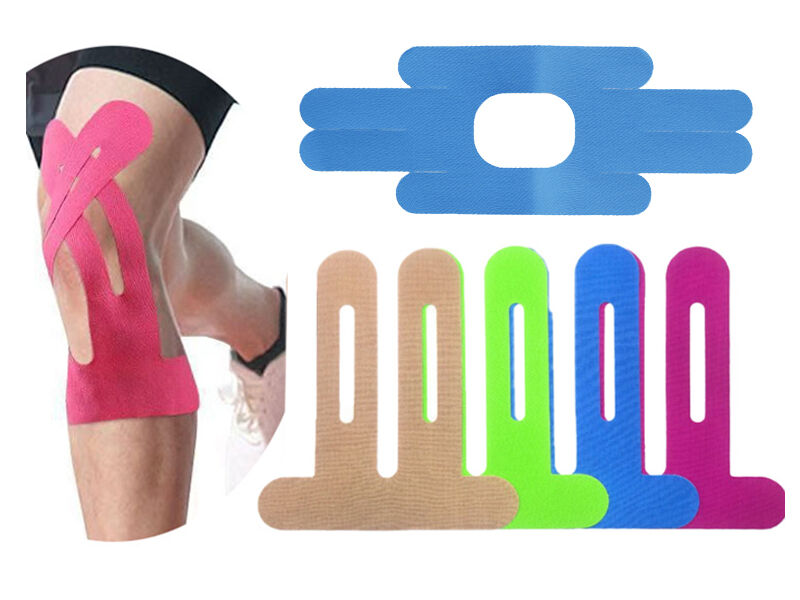
The Science Behind Kinesiology Tape for Muscle Soreness Relief
Neurological Pain Gate Control Through Cutaneous Stimulation
When applied properly, kinesiology tape helps ease muscle soreness because it activates special sensors in the skin called mechanoreceptors. These little nerve endings send signals to the brain that basically tell it to ignore some of the pain coming from sore muscles. This works through something scientists call the gate control theory of pain. The tape itself stretches gently against the skin, lifting the outer layer just enough to trigger those receptors without causing any extra discomfort. Research published in the Journal of Sports Science & Medicine back in 2019 showed people reported about 27% less muscle soreness in taped areas compared to when they weren't taped at all. What makes this different from regular painkillers is that instead of just covering up symptoms, the tape actually affects how pain signals travel through the nervous system. For folks dealing with that achy feeling after intense workouts, this can be particularly helpful for managing what's known as delayed onset muscle soreness or DOMS.
Improved Microcirculation and Lymphatic Clearance in DOMS
Kinesiology tape works by creating tiny spaces between the skin and muscles underneath, which helps improve how fluids move around the body during recovery. When the tape stretches, it actually lifts the outer layer of skin, lowering pressure in the tissues below and boosting both blood and lymph circulation. Studies using Doppler ultrasound found that blood flow in taped areas can go up by about 40% according to research from 2022. This increased circulation helps flush out those pesky chemicals that build up after intense workouts, such as lactate, bradykinin, and histamine, all of which contribute to delayed onset muscle soreness. Better oxygen gets delivered to the muscles while waste products get removed faster, so people tend to recover quicker overall. Clinical observations show that athletes who apply the tape properly experience roughly 30% less swelling after tough training sessions compared to those who don't use it at all.
Fascial Decompression and Mechanical Unloading of Inflamed Tissue
Kinesiology tape offers support that responds to movement, helping reduce stress on muscles that are sore or healing. When someone moves around, the tape stretches in specific directions which helps take some pressure off sensitive areas within the connective tissue. Research from 2021 showed about a 15 to 20 percent drop in muscle activity when using kinesiology tape on quads during certain exercises, proving it actually takes load off those muscles. What makes this different from regular athletic tape is that it doesn't limit movement at all. Instead, it lets people move naturally while still protecting tiny damaged parts inside their muscles. This kind of support works especially well for leg muscles that have been pushed hard through activities like jumping, lifting weights, or long distance running.
What the Research Says: Clinical Evidence for Kinesiology Tape in DOMS Management
Research keeps showing that kinesiology tape actually helps with DOMS symptoms, although how it works can differ from person to person. A study back in 2018 looked at people after surgery and found that those who used tape had about 27% less swelling around the area, probably because the tape helped lift the skin and improve lymph flow. The idea that tape improves proprioception is still debated though. Some smaller studies have seen slight improvements in knowing where joints are positioned, but a recent 2023 look at shoulder injuries didn't find any real difference in nerve feedback. Most experts agree that the main ways tape helps are through changing nerve signals and supporting blood flow better. Many athletes say their muscles recover 30 to 40% faster when taped, even if blood tests like creatine kinase levels don't always match what they feel. This makes tape a handy option for managing pain during recovery without needing medication.
Step-by-Step Kinesiology Tape Application for Post-Workout Recovery
Quadriceps, Hamstrings, and Calves: Targeted Techniques for Common Soreness Areas
Quads, hamstrings, and calves are frequent sites of DOMS following strength, sprint, or endurance training. Proper taping enhances circulation, reduces swelling, and supports fascial decompression—without compromising mobility. Apply using these evidence-informed techniques:
- Quadriceps: Cut two 12-inch I-strips. With knee bent to 30°, anchor the base of the first strip just below the patella. Gently lift the skin upward along the anterior thigh and apply the tape with 50–75% stretch, smoothing distally. Repeat with second strip parallel or slightly overlapping. Secure ends without tension.
- Hamstrings: Use a Y-strip. Anchor at the gluteal fold, then split the tails to flank the hamstring tendons behind the knee. Apply with moderate stretch (30–50%) while fully extending the leg to engage the muscle belly.
- Calves: Apply an I-strip anchored at the Achilles tendon. With foot in dorsiflexion, apply 25% stretch across the gastrocnemius-soleus complex, smoothing upward toward the posterior knee.
These methods optimize mechanical unloading and microcirculatory support. Clinical data shows pressure-adjusted application improves lymphatic flow by over 40% compared to static wraps. For sustained benefit, leave tape in place for 3–5 days—reapplying only if adhesion diminishes or skin irritation occurs.
Why Kinesiology Tape Supports Recovery Without Compromising Performance
Functional Mobility Preservation vs. Restrictive Taping Methods
Kinesiology tape lets the body move freely because of how stretchy and skin-like it is, giving support when needed but not locking things down. Regular athletic tapes and braces tend to limit movement quite a bit, sometimes messing with blood flow and making it harder for people to sense where their body parts are. The good news is that kinesiology tape actually helps blood circulate better and drains fluid away from injured areas while sending gentle signals to muscles and nerves. These signals make folks more aware of what their bodies are doing, so they can move in ways that won't hurt them as they heal. What makes this stuff special? It doesn't feel stiff at all, and athletes don't have to sacrifice performance. People who wear it report less soreness, stay active longer, and generally bounce back quicker compared to those stuck wearing traditional supports that just hold everything in place.
FAQ Section
What is kinesiology tape?
Kinesiology tape is a therapeutic tape designed to provide support, improve blood and lymph circulation, and enhance the healing of injured tissues without restricting movement.
How does kinesiology tape work for muscle soreness?
When applied, kinesiology tape activates mechanoreceptors in the skin, which can reduce the feeling of soreness by altering pain signals to the brain, utilizing the gate control theory.
Can kinesiology tape enhance athletic performance?
Yes, while it doesn't enhance performance directly, kinesiology tape can aid recovery and decrease muscle soreness, allowing athletes to train more effectively.
How do you apply kinesiology tape to target areas?
There are specific techniques to apply kinesiology tape to different muscle groups, such as quads, hamstrings, and calves, which involve stretching the tape over the skin at certain angles ensuring proper adhesion and support.
How long should kinesiology tape be worn?
Typically, kinesiology tape can be left on for 3-5 days, and it should be replaced if adhesion diminishes or if there is skin irritation.