
 EN
EN
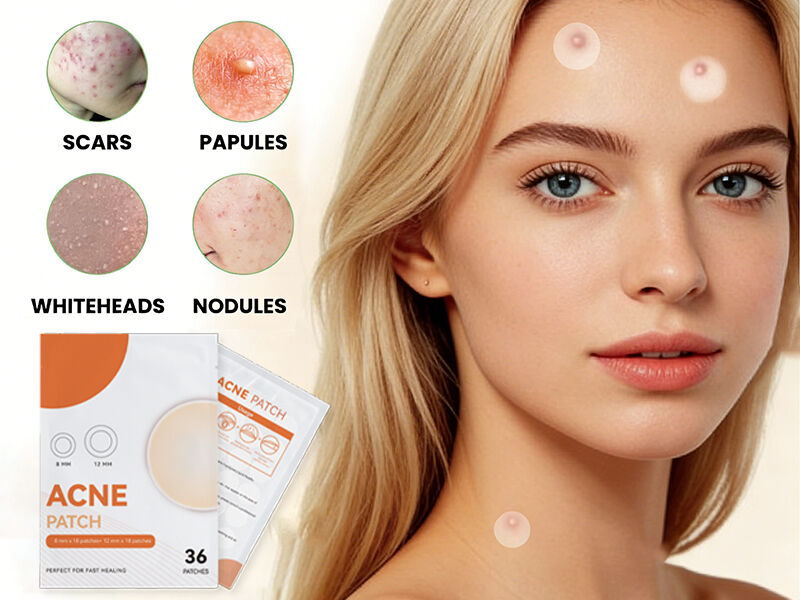
How Acne Patches Work: The Hydrocolloid Mechanism Explained
Fluid Absorption and Wound Healing Acceleration
Acne patches made from hydrocolloid work great at soaking up fluids from those pesky inflamed pimples. The main stuff inside these patches is basically a mix of gelling agents such as pectin, CMC (that's carboxymethylcellulose for short), and sometimes gelatin too. When applied to a blemish, they start pulling out all that unwanted stuff like pus, serum, and extra oil from the skin. What happens next? Well, the patch gets bigger and changes color to something less transparent, so people can actually see it working. This whole process helps reduce swelling around the area and makes the skin feel less tight. Research published in the Journal of Wound Care back in 2021 showed that keeping wounds moist speeds up healing time by about half compared to when wounds stay dry. These patches maintain just the right amount of moisture on the skin surface which allows new skin cells to move across better, boosts collagen production, and helps rebuild the skin barrier. All this means fewer scabs form during healing, and there's less chance of dark spots or permanent marks left behind after an acne breakout.
Protective Barrier Function Against Bacteria and Friction
Acne patches create a complete watertight cover over skin blemishes, serving as both a physical barrier and defense against germs. The sticky edges grip firmly onto healthy skin around the affected area, stopping outside bacteria like Cutibacterium acnes from getting in. They also keep out dirt from things like bedsheets, fingers touching the face, or makeup products. Studies have found that these protective covers cut down on recurring infections after whitehead extractions by about 70 percent according to research published last year. Another benefit worth mentioning is how they stop people from picking at their spots since the patch makes it impossible to touch directly. Plus, there's no rubbing from clothes or beauty tools anymore. With all this going on, the body can heal properly without interference, which means clearer skin shows up sooner than expected.
Acne Patch Effectiveness by Lesion Type
Ideal for Inflammatory Papules and Post-Extraction Care
Hydrocolloid patches work best for those shallow, open sores that are inflamed and sore to touch, especially when dealing with red bumps or fresh whiteheads that have just been popped. These patches really shine when there's fluid to absorb. They suck up all that stuff coming out of the skin which helps reduce pressure inside those little pimples and brings down swelling. Plus, they create a barrier that seems to quiet down some of those inflammatory signals our bodies send out, like IL-1α. According to research published last year in Dermatology Research Review, applying them right after cleaning can cut down the size of these bumps by about half within just eight hours. Using them right after popping a pimple makes a big difference too. It stops bacteria from getting back into the area and cuts down on physical damage to the skin, which we know matters because dermatologists have found that picking at pimples actually raises the chance of scarring by almost half.
Why Cystic, Pustular, and Non-Inflammatory Acne Resist Acne Patch Use
Standard hydrocolloid patches struggle against certain skin issues like cystic nodules, mature pustules, and those stubborn closed comedones. The problem is pretty straightforward really. Cysts sit way down in the reticular dermis area where regular patches can't even get close to them. Thick walled pustules just don't have good channels for fluids to move through either. And then there are those blackheads and whiteheads that aren't actually inflamed but still block everything up since they have no open pathways for drainage at all. Regular patches basically do nothing here. Some patches come with salicylic acid which might help clear things up a little bit, but honestly it doesn't fix what's causing the blockage underneath. There's this newer type called microneedle enhanced patches though. Early studies from the Journal of Cosmetic Science back in 2023 showed about a 40% drop in deep inflammation when people used them regularly. These tiny needles create microchannels that apparently let ingredients penetrate five times better than normal. Still, the results aren't amazing by any means. For cystic lesions specifically, effectiveness hovers around 32%, so most folks find these patches work better as protection than actual treatment solutions.
Choosing the Right Acne Patch: Types, Ingredients, and Real-World Performance
Hydrocolloid Basics vs. Salicylic Acid– or Tea Tree–Infused Variants
Regular hydrocolloid patches work as passive barriers without any medication, making them great for dealing with early stage pimples that are still oozing. These patches actually cut down on inflammation about 30 percent quicker compared to letting spots air out, since they block germs and protect from things rubbing against the skin (as noted in Dermatology Research Review back in 2023). Medicated versions take it a step further though, adding stuff like salicylic acid which gets deeper into angry pores and works around 20% better against those red bumps. Tea tree oil also comes into play here, offering good protection against all sorts of bacteria. Still worth mentioning though, these medicated options can sometimes irritate the skin more than regular ones do, particularly with tea tree oil causing problems for people who already have sensitive skin or allergies. When picking what kind to use, look at what actually works best based on real experience rather than just going by what sounds scientific.
- Use plain hydrocolloid for superficial, open lesions with visible drainage
- Reserve salicylic acid–infused patches for persistent, red, swollen papules
- Avoid tea tree–infused options if you have sensitive or reactive skin
Microneedling Patches: Emerging Evidence and Practical Considerations
Acne patches with microneedles work by using tiny needles that dissolve on contact (usually around 150 to 300 microns long) to get active ingredients like salicylic acid, hyaluronic acid, and niacinamide right into the skin's deeper layers, skipping past the outermost skin barrier called the stratum corneum. Some early studies published in the Journal of Cosmetic Science back in 2023 found that people who used these patches every night saw about a 40% drop in those pesky inflammatory signs within just two weeks. The micro channels created by the needles actually boost how well the ingredients work compared to regular topical applications, making them roughly five times more effective. There are several things to keep in mind when considering these products though.
- Application timing: Apply to clean, dry skin at night; avoid washing or sweating for at least 6 hours
- Contraindications: Not suitable for active rosacea, eczema flares, or broken/compromised skin
-
Value assessment: Priced at roughly three times the cost of standard hydrocolloids, with limited long-term safety data
Given their novelty and mechanistic complexity, consult a board-certified dermatologist before incorporating microneedling patches into treatment for moderate-to-severe acne.
Proven Application Best Practices for Maximum Acne Patch Results
For best results when using these patches, there are some key steps worth following based on clinical studies. Start by washing the area well with something gentle that won't clog pores, then make sure the skin is totally dry before proceeding. Any leftover moisture or natural oils can actually interfere with how well the patch sticks and works properly. Place the patch right over the affected spot and press down firmly for about ten to fifteen seconds so it seals all around the edges. Most people find wearing them for six to eight hours gives good results, especially if applied at night while sleeping. Studies show this timeframe allows maximum absorption without harming the skin's natural healing process. Don't put anything oily like serum, thick moisturizer, or makeup under the patch either since they need direct contact with clean skin to function correctly.
Key application protocols:
- Pre-application: Weekly gentle exfoliation of surrounding skin improves adhesion by removing dead cell buildup
- Daytime use: Opt for ultra-thin, matte-finish hydrocolloids if wearing publicly—they remain discreet and breathable
- Post-removal: Gently wipe residual adhesive with micellar water—not alcohol or harsh toners—to preserve barrier function
People who stick with the treatment plan see their inflamed bumps clear up about 68% quicker than those who skip around (source: Dermatology Research Review from last year). Take off those patches before getting into the shower, jumping in the pool, or working out hard at the gym. Water really messes with how long they last since it breaks down the special material inside and makes them start peeling at the edges. To get good results, these patches work best when combined with other stuff too. Use gentle face washes that don't dry skin out, apply some moisturizer without oils, and definitely remember sunscreen during the day. Don't try to fix everything just with patches alone though.
FAQ (Frequently Asked Questions)
-
What are hydrocolloid acne patches primarily used for?
Hydrocolloid patches are primarily used for absorbing fluids from inflamed pimples and accelerating healing. -
Do acne patches work on cystic and pustular acne?
Standard hydrocolloid patches struggle with cystic and pustular acne, but microneedle enhanced patches show some promise. -
Can acne patches cause skin irritation?
While regular patches are generally safe, medicated versions with salicylic acid or tea tree oil can irritate sensitive skin. -
How should acne patches be applied for best results?
Clean the skin thoroughly, ensure it's dry, apply the patch directly to the blemish, and wear for six to eight hours for optimal results. -
Are microneedling patches suitable for everyone?
Microneedling patches may not be suitable for those with active rosacea, eczema flares, or broken skin.