
 EN
EN
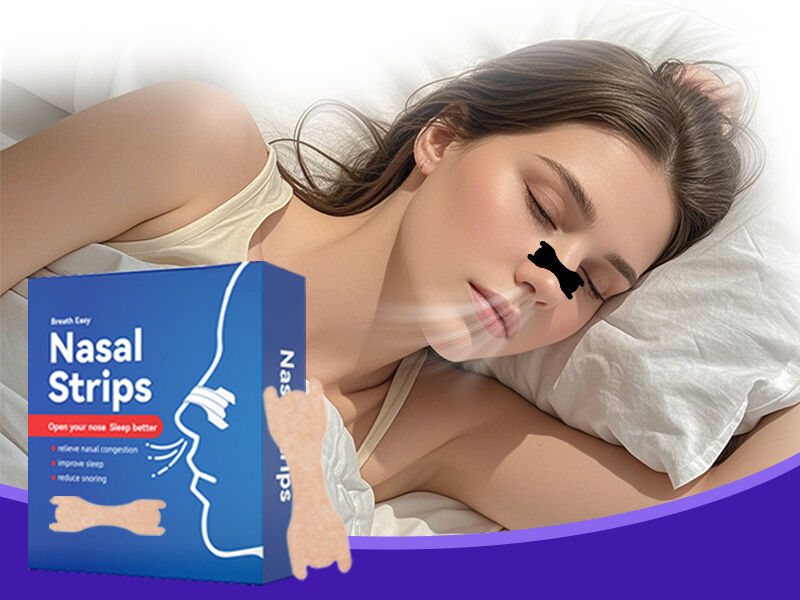
How Nose Strips Mechanically Relieve Cold-Induced Nasal Congestion
Nasal Valve Dilation: The Core Mechanism of Nose Strip Action
Nose strips work against cold-related nasal blockage by simply widening the inside part of the nose where most people get congested. This area is actually the tightest spot in our upper airways and accounts for about half to three fifths of regular breathing resistance. The strips have little springs built into them that sit on top of the nose bridge and slowly pull out the sides of the nostrils. What makes these strips special is that they don't use any medicine at all. Instead of chemicals fighting congestion, they just hold open the nasal passages mechanically. That means no risk of getting worse congestion later, staying sleepy after using them, or feeling heart palpitations that sometimes happen with traditional decongestants. Most folks notice their noses clearing up pretty quickly once they put one on, and this effect tends to last as long as the strip stays in place during normal activities.
Why This Mechanical Approach Is Especially Effective During Colds
When someone gets a viral upper respiratory infection, it often causes swollen mucous membranes and excessive mucus production. This tends to make breathing through the nose much harder, particularly when lying down at night. Nose strips work really well for people dealing with these issues since they offer ongoing physical support without any medications involved. These strips adjust as the inflammation changes over time. What sets them apart from regular decongestants is that their effectiveness doesn't drop off when nasal passages get even more congested. Instead, the gentle lifting action keeps the airways open even if things inside the nose are getting tighter. By doing this, nose strips help stop people from switching to mouth breathing which can lead to problems like sore throats during the night, louder snoring, and disrupted sleep patterns. Plus, they're generally safe enough for use by kids, pregnant women, and anyone who might have health conditions making traditional decongestants risky to take.
Proper Nose Strip Application: Technique, Timing, and Troubleshooting
Step-by-Step Placement Guide for Optimal Nasal Opening
Maximize mechanical dilation during colds with precise application:
- Cleanse the nasal bridge with mild soap and water; pat dry thoroughly
- Peel off the backing and align the strip centrally over the bridge—covering the widest part of the alae
- Press firmly from the center outward to secure both wings and activate the spring bands
- Apply 15–20 minutes before bedtime to allow full adhesive bonding
- Inhale deeply to confirm perceptible airflow improvement and gentle lift
Top 3 Application Mistakes That Undermine Nose Strip Efficacy
Avoid these common errors to preserve function amid congestion:
- Applying to oily or damp skin: Reduces adhesion by up to 70%; always cleanse and dry first
- Misalignment (e.g., too high or off-center): Shifts tension away from the nasal valve, limiting dilation
- Rapid or aggressive removal: Increases risk of epidermal stripping; peel slowly downward from one edge
Evidence and Real-World Performance of Nose Strips for Cold Symptom Relief
Clinical and User-Reported Outcomes: What Studies and Reviews Show
Studies have shown that nose strips can actually lower nasal airway resistance by around 10 to 17 percent through mechanical valve dilation, which makes a real difference when someone is dealing with a cold or virus. When tested in randomized trials with people suffering from acute upper respiratory infections, about 72 percent noticed better breathing at night than those who used a placebo. These improvements weren't just subjective either - actual measurements of peak nasal inspiratory flow (PNIF) taken with rhinomanometry equipment confirmed the results. What's really interesting is that these benefits happen without any medication involved, so there's no risk of getting used to them over time, experiencing rebound congestion, or facing unwanted side effects throughout the body. People who try nose strips often mention other perks too, like breathing through their mouths less, not waking up with such a dry throat, and generally feeling more refreshed after sleeping. All these things seem to help the body fight off illness faster.
Breathe Right Nasal Strips vs. Generic Options: Key Differentiators
While many brands claim similar functionality, clinical and biomechanical distinctions matter most during active colds:
- Adhesive resilience: Premium strips maintain 30% longer adhesion under humid, mucus-prone conditions—critical when nasal secretions compromise generic strip performance
- Spring band engineering: Patented dual-flex bands deliver calibrated, non-collapsing lift—even during forceful sniffing or positional shifts common with cold-related irritation
- Skin compatibility: Medical-grade, hypoallergenic adhesives significantly lower irritation risk on inflamed or chapped skin caused by frequent tissue use
| Feature | Premium Strips | Generic Alternatives |
|---|---|---|
| Peak Nasal Airflow | +27% improvement | +12% improvement |
| All-Night Adhesion | 92% retention rate | 67% retention rate |
| Skin Reaction Rate | <0.5% incidence | 3.2% incidence |
Given the heightened vulnerability of nasal tissues during colds, these differentiators translate directly into more reliable symptom relief—justifying the investment during acute illness.
Strategic Use of Nose Strips Within a Holistic Cold Recovery Plan
Nose strips work best when used as part of a broader plan to recover from a cold, not as the only fix. They help open up airways physically, but combining them with proven remedies actually tackles what's causing the problem underneath. Drink plenty of fluids throughout the day—around 2 to 3 liters—to keep mucus thin and help those tiny hairs in your nose do their job clearing things out. Getting good sleep matters too; research shows people who rest well tend to fight off viruses faster and have better immunity. If stuffiness keeps coming at night, try putting on a nose strip about 15 to 20 minutes before going to bed. Works even better after taking a quick steam bath with something like eucalyptus oil to melt away all that gunk and let the strip do its thing. Don't mix nose strips with other decongestants though, unless a doctor says it's okay. Using both together can dry out your nose way too much. Keep track of symptoms too. If the blockage lasts past 10 days or gets worse after feeling better for a bit, it might be time to see a doctor about possible sinus infections or other issues. At the end of the day, nose strips are pretty safe and actually make sense from a body perspective—they support how our systems naturally heal without getting in the way.
FAQ Section
What are nose strips used for?
Nose strips are used to mechanically relieve nasal congestion, particularly during colds, by widening the nasal passages without medication.
Do nose strips have side effects?
Nose strips typically do not have side effects like traditional medications, such as drowsiness or heart palpitations.
Can children use nose strips?
Yes, nose strips are generally safe for use by children, as well as pregnant women and those with health conditions that make traditional decongestants risky.