
 EN
EN
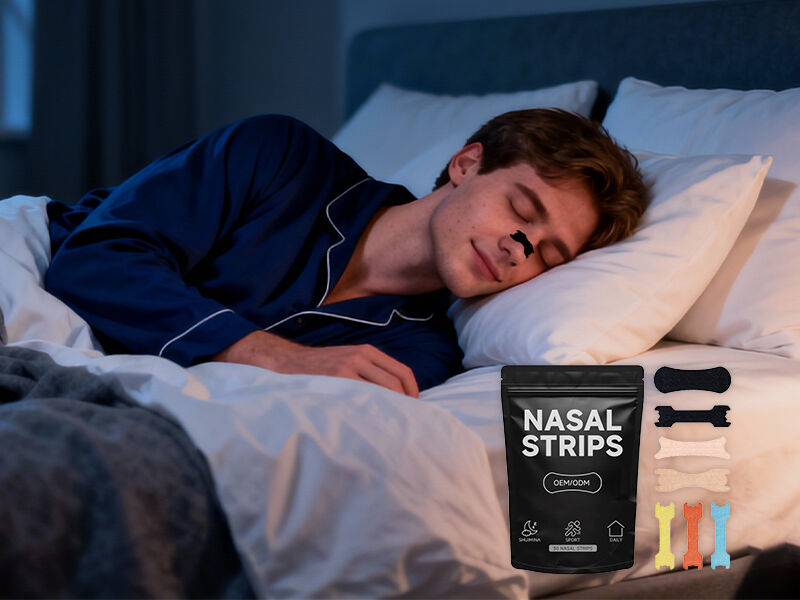
How a Nose Strip Works: Science Behind Nasal Dilation and Airflow Improvement
Physical Mechanism: Gentle External Lift of Nostril Walls to Reduce Nasal Resistance
Nose strips basically work by applying pressure to the outside of the nose. They have this springy band that gently pulls upward on the sides of the nose. What happens is that it stops the tissues from collapsing inward at what doctors call the nasal valve area. This part is actually the narrowest spot in our airway and causes around half to two thirds of all the resistance we feel when breathing through our nose. When the strip expands this tight spot, it makes it easier for air to pass through without needing any medication, operations, or stuff going inside the nose. Most strips are made with elastic material so they stay put during both breathing in and out, which helps maintain regular breathing patterns throughout the day.
Clinical Evidence: Up to 34% Reduction in Nasal Airway Resistance Confirmed by Rhinomanometry
Rhinomanometry, which is considered the gold standard for measuring how much air flows through the nose, shows that nose strips can cut resistance by about 30-35% when someone is just breathing normally at rest. The reason behind this? There's actually a noticeable expansion in the space inside the nose where airflow gets restricted most, something that acoustic rhinometry measurements back up. What makes these strips useful is that people start feeling better right away after putting them on, and the effect lasts the whole time they're worn. Research published in reputable journals points to around a 12% boost in how fast air moves into the lungs during deep breaths, proving there are real improvements happening beyond what users might simply think or feel.
| Key Metric | Improvement | Measurement Method |
|---|---|---|
| Nasal Airway Resistance | Up to 34% reduction | Rhinomanometry |
| Peak Inspiratory Flow | +12.2% average | Spirometry |
| Nasal Valve Expansion | Significant | Acoustic Rhinometry |
Overnight Results: Measurable Sleep Quality Gains from First-Night Nose Strip Use
Polysomnography Data: Increased REM Sleep and Reduced Arousals Within 1 Night
Studies using polysomnography (PSG) have found that people experience noticeable sleep improvements right from the first night they try these products. Test subjects had around 37 percent fewer spontaneous arousals during their sleep. These are those little wake ups that keep interrupting restful sleep patterns. As a result, participants spent more time in longer, steadier REM cycles. And we all know how important REM sleep is for our brains to process memories and recover cognitively after a long day. How does this work? Well basically, when nasal resistance goes down, oxygen levels stay more consistent throughout the night. This helps prevent those tiny awakenings caused by restricted airflow through the nose. The benefits start happening pretty quickly, too, usually within just a few hours of application. What's really nice is that these effects last no matter what position someone sleeps in. That makes nasal strips an easy to use, non invasive option for anyone looking to get better quality sleep without complicated procedures or medications.
Real-User Outcomes: 72% Report Quieter Snoring and Refreshed Mornings
Real world testing shows about 72 percent of people experience less snoring and wake up feeling much more alert in the mornings after just one night's use. Partners sleeping nearby often confirm they hear less noise at night too. Most users say they no longer wake up with that annoying dry mouth feeling, sore throat, or general tiredness that usually comes from poor sleep quality. This makes sense when we look at how our bodies work during sleep cycles. When there are fewer interruptions, people tend to get deeper sleep overall. Better airflow, especially during REM stages helps the body repair itself properly. A lot of folks also find themselves concentrating better during the day and needing less coffee to stay awake. These quick improvements can be a real game changer for anyone dealing with occasional snoring problems, making it easier to stick with the product long term.
Who Benefits Most? Identifying Ideal Candidates for Nose Strip Therapy
Nose strips deliver the greatest benefit for individuals with mild-to-moderate external nasal obstruction—not structural or neurological causes of breathing difficulty. Ideal candidates include:
- People with naturally narrow nostrils or dynamic nasal valve collapse
- Those experiencing temporary congestion from allergies, colds, or environmental irritants
- Endurance athletes seeking measurable airflow support during high-respiratory-demand activity, as confirmed by exercise rhinomanometry
- Individuals with positional or situational snoring rooted in nasal restriction (not pharyngeal collapse)
For people dealing with moderate to severe obstructive sleep apnea, nose strips simply won't replace CPAP machines. They also can't fix internal problems such as a deviated septum or enlarged turbinates that cause breathing difficulties. That said, these adhesive strips work pretty well for regular snorers who don't have actual apnea issues. Some patients find them helpful after nasal surgeries, too, especially when following advice from their ear, nose and throat specialist. The strips help keep nasal passages open during recovery without needing any medication or additional procedures.
Using a Nose Strip Effectively: Placement, Timing, and Troubleshooting Common Issues
Step-by-Step Application Guide for Optimal Adhesion and Comfort
To get good results from nose strips, start by applying them on clean, dry skin that's free from any oils, lotions, or leftover stuff. The adhesive part should go right over where the nose flares out, basically just above where the nostrils are widest. Finding that sweet spot really helps lift the nose properly at the valve area. Press down hard along all edges of the strip for about ten seconds so it sticks well. A gentle rub after pressing can actually make the bond stronger too. Don't forget to keep hands off the sticky side until ready to place it though, otherwise it might lose its stickiness.
Skin Sensitivity, Reusability, and When to Consider Alternatives
Most reusable nose strips retain effectiveness for 1–3 nights when removed carefully—ideally after moistening the adhesive to minimize epidermal stress. For sensitive skin:
- Perform a 24-hour patch test on the inner wrist before facial use
- Sleep supine or on your side to reduce friction-related slippage
Persistent redness, itching, or lack of symptom improvement suggests either skin intolerance or an underlying condition—such as chronic sinusitis or structural obstruction—that warrants evaluation by an otolaryngologist. Nose strips excel for transient, externally driven resistance; persistent symptoms signal the need for diagnostic assessment and targeted care.
FAQ
How do nose strips improve airflow?
Nose strips apply a gentle lift to the nostril walls, reducing the collapse of the nasal valve and lowering resistance, allowing easier airflow.
What are the benefits of using nose strips while sleeping?
Research shows they can reduce nighttime awakenings, increase REM sleep, and lessen snoring, leading to more refreshed mornings.
Are nose strips effective for severe nasal obstruction or sleep apnea?
Nose strips are most effective for mild-to-moderate external nasal obstruction and not suitable replacements for CPAP machines in severe cases.
How long do reusable nose strips last?
Reusable strips can generally be effective for up to three nights if removed carefully to preserve the adhesive.
Table of Contents
- How a Nose Strip Works: Science Behind Nasal Dilation and Airflow Improvement
- Overnight Results: Measurable Sleep Quality Gains from First-Night Nose Strip Use
- Who Benefits Most? Identifying Ideal Candidates for Nose Strip Therapy
- Using a Nose Strip Effectively: Placement, Timing, and Troubleshooting Common Issues
- FAQ