
 EN
EN
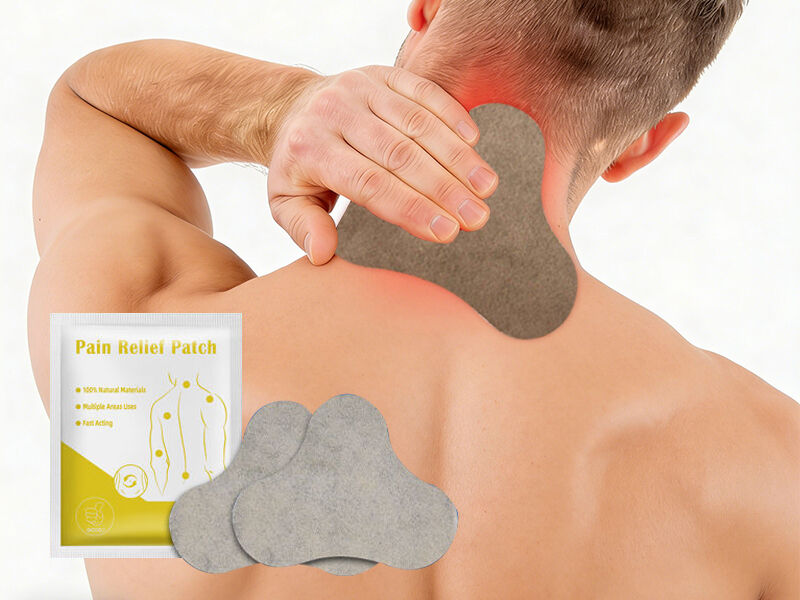
How a Pain Relief Patch Delivers Fast, Targeted Muscle Relief
Transdermal Delivery Explained: Bypassing the Gut for Rapid Absorption
Pain relief patches work by using what's called transdermal tech to get medicine right through the skin and into those muscles underneath instead of going through the stomach and then getting processed by the liver first. Oral painkillers take forever to kick in sometimes up to an hour and a half and often give people stomach problems too. But these patches start working within about half an hour to an hour and keep providing relief throughout the day, usually around 8 to 12 hours total. The way our skin is built lets the active stuff slowly seep into blood vessels and surrounding tissues, so most of the medicine actually gets where it needs to go. Because it targets specific areas rather than flooding the whole body, there's less chance of things like liver strain or upset stomach that come with taking pills, especially those NSAID types we all know too well from experience.
Key Active Ingredients—Menthol, Lidocaine, and Methyl Salicylate—And Their Distinct Roles
Three evidence-backed actives form the foundation of most effective OTC pain relief patches:
- Menthol: Activates TRPM8 cold receptors to produce a cooling sensation that interrupts pain signaling and induces vasodilation—enhancing blood flow and easing stiffness.
- Lidocaine: A local anesthetic that blocks voltage-gated sodium channels in peripheral nerves, halting pain signal transmission without sedation or systemic effects.
- Methyl Salicylate: A topical salicylate that metabolizes into salicylic acid, inhibiting COX enzymes and reducing prostaglandin-driven inflammation—particularly effective for strain-related swelling and joint discomfort.
Clinical trials confirm synergistic benefits: combining these agents yields up to 40% greater symptom reduction than single-ingredient formulations, as each addresses a distinct pathway—sensory modulation, neural blockade, and inflammatory control.
Evidence-Based Use of Pain Relief Patches for Common Muscle Conditions
DOMS Recovery: What Clinical Studies Say About Post-Exercise Soreness
Studies indicate that pain relief patches can cut down on delayed onset muscle soreness (DOMS) by about 40% compared to doing nothing at all. People who use these patches often notice better movement range and can handle more pressure on their muscles just a day after application. The reason this works so well is because DOMS typically hits its worst point between one and three days after working out, caused mainly by inflammation and tiny injuries in the muscle tissue. That's why getting treatment going within three hours following exercise makes such a difference during this critical inflammation period. Many athletes find that combining patch application with proper water intake and light stretching helps them bounce back from workouts around 30 percent quicker. This means they can keep up their training schedule without putting extra strain on already damaged tissues.
Acute Strains vs. Chronic Stiffness: Matching Patch Selection to Injury Type
| Condition | Recommended Patch Type | Key Mechanism | Duration Guidance |
|---|---|---|---|
| Acute Strains | Cooling (menthol-based) | Reduces swelling and nerve signaling | 48-hour continuous use |
| Chronic Stiffness | Heat-therapy (methyl salicylate) | Increases blood flow to stiff tissue | 8–12 hours daily for 1 week |
Patches designed for cold therapy can actually reduce damage after an acute tear because they narrow blood vessels and quiet down those overactive nerves. On the flip side, heat based patches work wonders for people dealing with chronic stiffness over time since they boost tissue flexibility and get the blood flowing better. Looking at research from 2023 published somewhere called The American Journal of Sports Medicine shows something interesting too. When patients picked the right kind of patch for their specific condition, their recovery results jumped up around 57%. So basically, matching treatment to what's happening inside the body seems far more important than just applying patches regularly no matter what. Before anyone starts using these patches extensively though, doing a quick test on some normal skin first makes good sense. This is particularly true if someone has naturally sensitive skin or any sort of skin issues already present.
Choosing the Right Pain Relief Patch: OTC Options, Safety, and Real-World Efficacy
When choosing a good pain relief patch, it all comes down to aligning specific symptoms with ingredients that have proven effectiveness in clinical settings. Lidocaine tends to work best for those sharp pains or when nerves are causing most of the discomfort. Menthol patches are great for general muscle tightness or stiff joints. For ongoing nerve issues, capsaicin based patches often deliver better results. And methyl salicylate seems to help with inflammation from sprains or repetitive strain injuries. These different compounds actually affect the body in various ways at a biological level. That's why figuring out what kind of pain predominates makes such a difference in how well the treatment will ultimately work for someone dealing with chronic or acute pain conditions.
| Active Ingredient | Best For | Key Safety Considerations |
|---|---|---|
| Lidocaine | Nerve pain, minor injuries | Avoid broken or irritated skin; limit to 3 patches/day |
| Menthol | Muscle/joint stiffness | May cause transient redness; not recommended for children under 12 |
| Capsaicin | Nerve discomfort | Wash hands thoroughly after application; expect mild, temporary burning |
| Methyl Salicylate | Sprains, inflammation | Contraindicated with anticoagulants or aspirin allergy |
According to research published in the Journal of Pain Research back in 2022, around 23% of people using these patches experience some mild skin irritation that usually goes away on its own within a day after stopping use. Want to reduce the chances of getting irritated? Follow those instructions on the label carefully most patches aren't meant to stay on longer than 12 hours at a time, and definitely don't apply another patch right over where one was already placed. Looking at real world results, studies have shown that capsaicin patches work better for nerve pain compared to placebos, cutting down discomfort by about 30% in large scale tests. Lidocaine based patches also perform well they kick in pretty fast, sometimes within an hour, and generally sit well with folks of different ages. If someone's experiencing ongoing pain that gets worse instead of better, or if there's something strange going on like fever, swelling, or weird sensations in their nerves, it's really important to talk to a doctor before trying to handle things alone at home.
FAQ Section
How do pain relief patches work?
Pain relief patches utilize transdermal technology to deliver active ingredients through the skin directly to muscles, bypassing the digestive system, for faster and targeted relief.
What are the main active ingredients in pain relief patches?
The main active ingredients are menthol, lidocaine, methyl salicylate, and sometimes capsaicin, each playing distinct roles in pain management.
Are there side effects associated with using these patches?
About 23% of people might experience mild skin irritation. It's crucial to follow usage instructions and avoid applying over broken skin.
How should pain relief patches be chosen?
Choosing a patch depends on matching symptoms with the active ingredients suited for specific pain types.