
 EN
EN
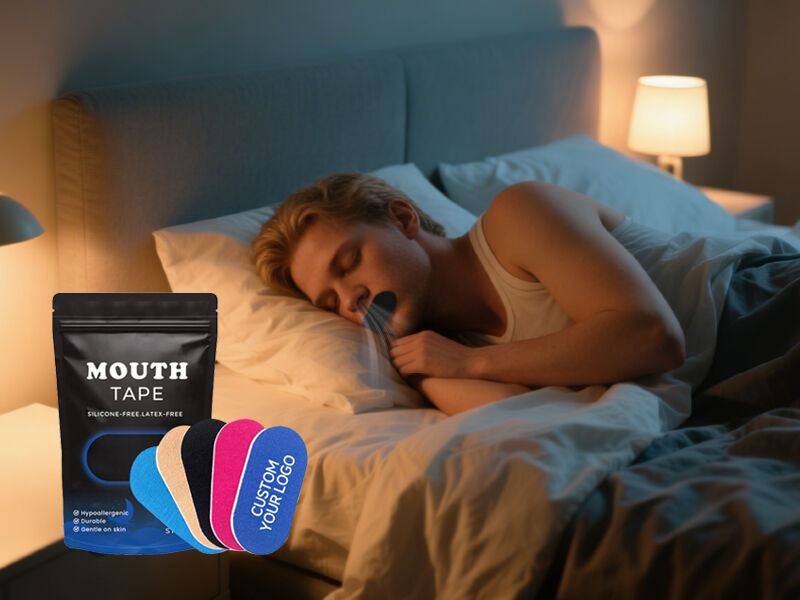
Why Nasal Breathing Matters: The Health Impact of Chronic Mouth Breathing
The nose was designed as nature's air filter and optimizer for our respiratory system. When someone breathes through their mouth chronically, they essentially skip past these important protective mechanisms. Studies have shown that breathing through the nose can boost oxygen absorption by around 18 percent over mouth breathing. This happens mainly because the sinuses produce nitric oxide during nasal respiration, something that helps improve how well blood carries oxygen and supports better lung performance according to findings published in the Journal of Applied Physiology. These biological advantages translate into real world health improvements for people who make nasal breathing a habit.
| Breathing Method | Key Advantages | Documented Health Risks |
|---|---|---|
| Nasal Breathing | • 62% better air filtration • Optimal humidity regulation • Nitric oxide production • Diaphragm engagement |
Lower incidence of respiratory issues |
| Chronic Mouth Breathing | (None—emergency backup only) | • 3× higher sleep apnea risk • 40% more dental erosion • TMJ disorder development • Altered facial growth in children |
There are actually bigger issues than just disrupted sleep when someone breathes through their mouth all night. The inside of the mouth gets really dry, which creates the perfect conditions for bacteria to multiply out of control. According to research published last year in dental epidemiology journals, this can raise the chances of developing gum problems by about 34%. For kids especially, chronic mouth breathing tends to lead to more problems with their teeth alignment. We see things like narrower palates and crooked bites much more frequently in these cases. Speech development also suffers because the tongue doesn't sit right in the mouth anymore, affecting how muscles work during talking. Getting back to normal nasal breathing patterns is pretty important if we want to stop these wider health impacts. Some people try using mouth tape temporarily while they learn to breathe properly again, though results vary from person to person.
How Mouth Tape Works: The Science and Mechanism Behind Breathing Retraining
Physiological feedback loop: Reinforcing nasal airflow during sleep
Putting tape over the mouth forms a soft barrier that helps redirect air through the nose when someone sleeps. What happens next is pretty interesting actually. When people breathe through their nose instead of their mouth, several good things occur naturally. The air gets warmed up, becomes more moist, and passes through natural filters in the nasal cavity. Plus, this kind of breathing encourages the body to release nitric oxide and activates what doctors call the parasympathetic nervous system. Most folks notice they sleep better and snore less after using mouth tape regularly. Over time, the body starts linking nasal breathing with feeling refreshed and restored, so it becomes almost automatic without needing to think about it much.
Behavioral conditioning: Building long-term nasal breathing habits
When used consistently under supervision, mouth taping can help train the muscles involved in proper breathing. The main idea is simple really: stopping mouth breathing during sleep night after night helps strengthen those important connections between the brain and the muscles around the mouth and nose that control airflow through the nostrils. After about four to six weeks of regular use, these repeated actions start becoming second nature, kind of like developing muscle memory when learning any new skill through practice. What happens next is pretty interesting too. People find their lips tend to stay closed automatically more often now, and even without the tape on, the brain seems to remember to go back to nasal breathing most of the time. That's why so many folks who stick with this method eventually need less and less tape as they progress, especially once basic breathing techniques get sorted out and nasal passages remain open enough for normal airflow.
What the Evidence Says: Clinical Insights on Mouth Tape Efficacy and Limitations
Key findings from peer-reviewed studies on mouth tape use
The research available on mouth taping is still pretty sparse and tends to focus on very specific aspects. A recent study from 2025 looked at 233 people with mild sleep apnea and saw some small boosts in nighttime oxygen levels, but only when combined with other treatments—not just using tape alone. There was another smaller trial back in 2022 with around 20 participants suffering from mild sleep apnea. They noticed fewer apnea episodes and less intense snoring, though the study had major limitations including no control group and a really short timeframe. Looking at all eight studies published between 1999 and 2024, none actually showed significant real-world benefits for things like better sleep quality, improved daytime wakefulness, or measurable breathing improvements. What's important to note is that mouth tape doesn't really fix mouth breathing issues themselves. It can't address problems such as blocked noses or weak diaphragm function which are often the root causes of this condition.
Gaps in research and realistic expectations for outcomes
There are really only about ten controlled studies published on this topic so far, and together they've included just around 233 people. Many of these participants had different health conditions altogether, and there wasn't any standard way of applying the tape across all research. Most of these studies also didn't have proper blinding methods, didn't track patients over time, and used outcome measurements that weren't actually validated. A recent look at all available data from 2025 raised some pretty concerning safety issues too. Mouth taping seems to create extra breathing resistance when someone has bad nasal congestion, which could actually make oxygen levels drop further in people who are already at risk. Until we get bigger, properly designed clinical trials that define what's safe and what works, organizations like the American Academy of Sleep Medicine are telling everyone not to go out and start using this technique without supervision. Right now, the research suggests maybe trying it briefly and carefully while being monitored by a doctor, but only for certain adults with mild, stable sleep apnea symptoms. And absolutely never should mouth taping replace proper diagnosis or treatment of underlying problems such as physical blockages in the airway or issues with muscle function.
Using Mouth Tape Safely: Contraindications, Best Practices, and Troubleshooting
Mouth tape may support nasal breathing retraining—but only when used appropriately and within defined safety boundaries. Its value lies not in being a standalone fix, but as one component of a broader assessment that includes nasal patency testing, breathing biomechanics evaluation, and professional oversight.
Who should avoid mouth tape—and why
Mouth tape is contraindicated in the following scenarios:
- Active nasal obstruction (e.g., from allergies, colds, deviated septum, or chronic sinusitis)—risk of compensatory hypoventilation
- Untreated or severe obstructive sleep apnea—potential to exacerbate breathing events
- Uncontrolled asthma or COPD—reduced respiratory reserve increases vulnerability to airflow restriction
- History of nighttime gastroesophageal reflux or vomiting—tape may impede protective airway clearance
- Anxiety disorders or claustrophobia—physical restriction can trigger panic responses
- Known adhesive sensitivity or fragile perioral skin—risk of irritation or barrier compromise
- Children under 12—developing craniofacial and respiratory systems require unrestricted breathing patterns
Step-by-step guidance for first-time and consistent use
Follow this evidence-informed protocol to prioritize safety and sustainability:
- Obtain medical clearance—especially if you have sleep-disordered breathing, chronic respiratory conditions, or nasal symptoms
- Confirm nasal patency via anterior rhinoscopy or Cottle maneuver before initiating use
- Choose hypoallergenic, breathable medical-grade tape formulated for oral application (e.g., 3M Micropore or similar)
- Cleanse and fully dry lips prior to application—moisture compromises adhesion and increases irritation risk
- Apply a single vertical strip centered over the vermilion border—no tension, no overlap, no coverage of nostrils
- Begin with 15-minute daytime trials to assess comfort and breathing ease; progress gradually to overnight use only if well tolerated
- Remove gently with warm water or oil-based cleanser; inspect skin nightly and discontinue immediately if redness, swelling, or breathing discomfort occurs
Frequently Asked Questions (FAQs)
What are the benefits of nasal breathing?
Nasal breathing improves oxygen absorption, filters and humidifies air, and supports lung function through the production of nitric oxide, resulting in better respiratory health.
Can mouth taping alone correct chronic mouth breathing?
No, mouth taping should not be considered a standalone solution for chronic mouth breathing and requires comprehensive assessment and oversight to address underlying causes.
Who should not use mouth tape?
Individuals with nasal obstructions, severe sleep apnea, respiratory conditions, gastroesophageal reflux, adhesive sensitivity, or anxiety disorders should avoid using mouth tape.
How can mouth tape assist in breathing retraining?
Mouth tape can encourage nasal airflow and help build long-term nasal breathing habits by reinforcing physiological feedback loops and facilitating behavioral conditioning under supervision.
Table of Contents
- Why Nasal Breathing Matters: The Health Impact of Chronic Mouth Breathing
- How Mouth Tape Works: The Science and Mechanism Behind Breathing Retraining
- What the Evidence Says: Clinical Insights on Mouth Tape Efficacy and Limitations
- Using Mouth Tape Safely: Contraindications, Best Practices, and Troubleshooting
- Frequently Asked Questions (FAQs)