
 EN
EN
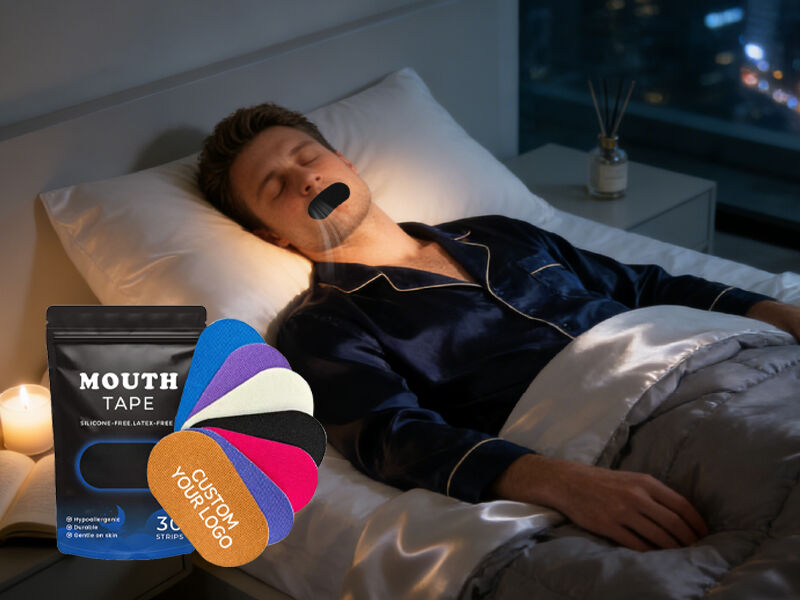
Why Nasal Breathing Matters—and How Mouth Tape Helps
The Physiological Edge of Nasal Breathing During Sleep
When we breathe through our nose, several important things happen. First, it filters out allergens from the air we take in. The air gets warmed and moistened before reaching the lungs. But perhaps most importantly, the sinuses produce nitric oxide during nasal breathing. This substance works like a powerful blood vessel opener, helping the body absorb about 20% more oxygen while also boosting blood flow to the brain and improving mental performance. Mouth breathing skips all these protective mechanisms and actually makes the airways more likely to collapse. Nasal breathing keeps the upper airway properly pressurized throughout the night. People who switch to nasal breathing often notice fewer nighttime disturbances, better oxygen levels in their blood, and ultimately enjoy deeper, more continuous sleep that leaves them feeling genuinely rested in the morning.
How Mouth Tape Gently Encourages Consistent Nasal Breathing
Mouth tape works like a simple but effective feedback mechanism for people who tend to breathe through their mouths. The soft, skin-friendly material creates a barrier that gently reminds mouth breathers to switch to nasal breathing while they sleep, all without any risk to safety. Most tapes are designed to stick well enough to do the job but can be easily removed whenever someone needs to take them off. Some studies back this up too - around late 2020 there was one where about 7 out of 10 people started breathing through their nose regularly after just three nights using mouth tape every night. Beyond helping with proper breathing patterns, mouth tape stops air from escaping through the mouth which helps prevent that annoying dry mouth feeling, reduces irritation in the throat area, and over time can actually train the body to maintain healthier breathing habits naturally.
Evidence-Based Benefits of Using Mouth Tape for Sleep
Improved Oxygenation, Reduced Sleep Fragmentation, and Lower AHI
Mouth taping works best when someone has good nasal breathing going on too. The tape helps boost oxygen levels by increasing nitric oxide production in the body, which leads to better blood oxygen saturation during the night and fewer drops in oxygen levels while sleeping. Research shows people who tried this method saw around a third less sleep interruptions overall, meaning they woke up less often throughout the night and got more continuous rest. People with mild sleep apnea problems (those scoring between 5 and 15 on the Apnea-Hypopnea Index) tended to see their scores drop by about 15 points after using mouth tape alongside other treatments. This suggests the tape actually improves how well the lungs work at night without changing anything fundamental about the airway structure or needing any special equipment to make it happen.
Enhanced REM Sleep, Morning Clarity, and Reduced Dry Mouth
According to sleep lab findings, people who consistently breathe through their nose while sleeping (often helped by using mouth tape) tend to spend about 12 extra minutes in REM sleep each night. These additional minutes translate into real world benefits too many folks wake up feeling more alert, perform better on memory tests, and process information faster after trying this approach. When people stop breathing through their mouths during sleep, they notice significant changes as well. Dry mouth problems drop dramatically—around 89% less frequently reported, and sore throats from breathing through the mouth decrease by roughly three quarters. After sticking with nightly mouth taping for about a month, most users find themselves with more energy throughout the day and clearer thinking. These improvements seem connected to better overall sleep patterns and healthier moisture levels in the throat and nasal passages.
Using Mouth Tape Safely: Who Can Benefit and Who Should Avoid It
Contraindications: When Mouth Tape Is Not Advisable
Mouth tape is appropriate only for individuals with clear, unobstructed nasal passages and no underlying respiratory compromise. It is contraindicated in the following cases:
- Obstructive Sleep Apnea (OSA): Using mouth tape without concurrent CPAP or approved alternative therapy may impede compensatory mouth breathing during apneic events—potentially worsening hypoxia.
- Nasal Obstruction: Active congestion from allergies, upper respiratory infections, or structural issues (e.g., deviated septum, turbinate hypertrophy) precludes safe use.
- Chronic Respiratory or Cardiovascular Disease: Conditions like asthma, COPD, heart failure, or pulmonary hypertension demand unrestricted access to both oral and nasal airways.
- Children: Developing craniofacial and airway anatomy increases vulnerability; use is not recommended outside supervised clinical protocols.
- Gastroesophageal Reflux or Vomiting Risk: Taping the mouth raises aspiration risk during nocturnal reflux or nausea.
- Anxiety or Panic Disorders: The tactile sensation may trigger dyspnea-related distress or claustrophobia in susceptible individuals.
Best Practices for Gradual Introduction and Proper Application
Adopt mouth tape mindfully and incrementally:
- Consult a healthcare provider first, especially if you have known or suspected sleep-disordered breathing (e.g., AHI 5), chronic nasal congestion, or cardiopulmonary conditions.
- Test tolerance while awake: Apply tape for 10–15 minutes during daytime relaxation to confirm effortless nasal breathing and comfort.
- Start conservatively: Begin with one to two nights per week using a narrow, vertical strip placed over the center of the lips—not covering the nostrils.
- Select medical-grade, porous, hypoallergenic tape, such as 3M Micropore or SomniFix—designed for sensitive skin and breathable wear.
- Fold a small corner upward to create an easy-release tab, enabling instant removal if discomfort arises.
- Discontinue immediately if you experience shortness of breath, skin irritation, dizziness, or heightened anxiety—and consult your clinician before retrying.
FAQs
What are the main benefits of nasal breathing during sleep?
Nasal breathing filters, warms, and moistens air, increases oxygen absorption by 20%, boosts blood flow to the brain, and maintains airway pressure, promoting continuous and restful sleep.
Can mouth tape help people with sleep apnea?
Mouth tape can be beneficial for those with mild sleep apnea, but it should not replace CPAP or other prescribed treatments. Consult a healthcare provider for personalized advice.
Who should avoid using mouth tape?
Individuals with obstructive sleep apnea, nasal obstructions, respiratory or cardiovascular diseases, certain psychological conditions, children, and those with reflux or vomiting risks should avoid using mouth tape.
How should I introduce mouth taping to my sleep routine?
Begin gradually, using a small tape strip once or twice a week, ensuring that your nasal passages are clear and comfortable. Consult a healthcare professional if needed.