
 EN
EN
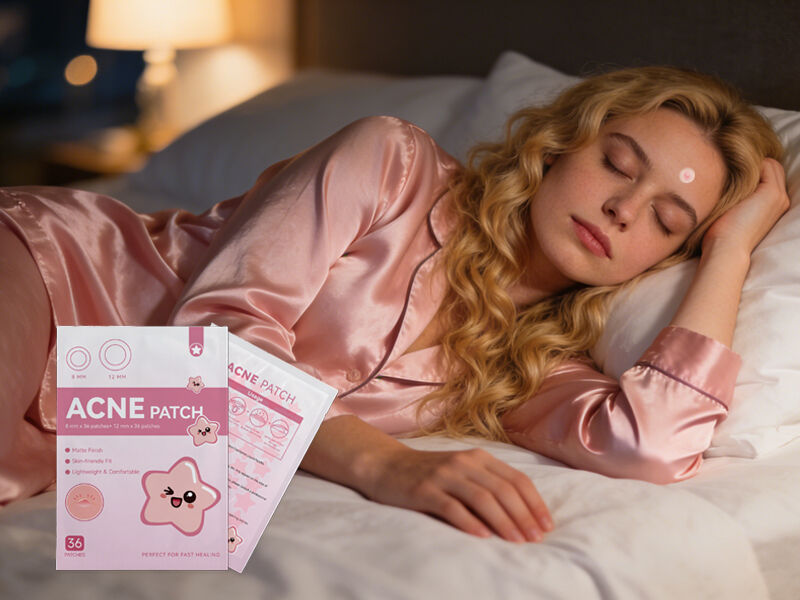
The Science Behind Overnight Acne Patch Action
Occlusive Hydration: How Hydrocolloid Acne Patches Draw Out Exudate Overnight
Acne patches made from hydrocolloid create a protective barrier that locks in moisture right over those pesky pimples. They're constructed with medical quality materials that do double duty: keeping bacteria away but still letting some vapor escape. Studies show these patches actually let about 30 percent more moisture pass through compared to regular bandaids. The way they work is pretty neat too. The material inside absorbs stuff like pus and extra oil from the skin through a process called osmosis. When it starts soaking up all that gunk, the patch turns into a noticeable gel layer, which helps take pressure off angry little bumps under the skin. Keeping the area properly hydrated seems to make a real difference. Clinical tests found inflammation drops around 40% after just eight hours of wearing one. Plus, these patches happen to work best at night when our skin naturally repairs itself faster and loses less water through the epidermis layer.
Targeted Delivery: Salicylic Acid Acne Patches and Keratin/Sebum Breakdown During Sleep
Acne patches containing salicylic acid (BHA) typically release between 0.5% and 2% of this beta hydroxy acid straight into blocked pores through their special adhesive formula. When worn at night, these patches stay in constant contact with the skin allowing the BHA to work its way through the outer layer of skin cells and break down those stubborn plugs made of dead skin and oil. What makes BHA particularly effective is that it's attracted to oils, so it can get deep into the pores without messing up the skin's natural balance. Recent research from 2023 showed pretty impressive results too - participants saw about a two thirds drop in those tiny comedones after just one night's wear. These patches actually let ingredients sink in about three times better than regular face creams do, plus they keep most of the active stuff right where it needs to be on the skin surface. This happens partly because our skin gets warmer and more receptive during REM sleep cycles, which helps speed up the process of shedding old skin cells before we even wake up.
Which Acne Types Respond Best to Overnight Acne Patch Use
Whiteheads and Early Papules: Why Surface-Level Lesions Show Visible Improvement by Morning
Whiteheads along with those small bumps we call early stage papules work really well with overnight acne patches. These little blemishes sit close to the surface of our skin, so when we apply those hydrocolloid patches, they pull out all that gunk like oil and pus pretty quickly. Most people notice their spots start looking flatter come morning time. Studies have shown something interesting too these kinds of pimples tend to soak up about 40 percent more stuff from inside compared to ones left alone during the night hours. Plus, the way these patches stick to the skin creates a protective layer that keeps bacteria from getting in while also helping reduce redness at an early point, which means our skin can heal itself much quicker overall.
The 'White Indicator Sign': What It Reveals About Exudate Absorption and Healing Progress
When a patch starts turning from clear to cloudy white, medical professionals call this the White Indicator Sign. What it really means is that the patch is doing its job absorbing stuff from wounds. The hydrocolloid material gets soaked up with all that fluid coming out of the skin, which tells us it's pulling out impurities effectively. For people dealing with regular acne (not those deep cystic kinds), seeing this whitening effect usually means their skin heals about twice as fast sometimes even three times quicker than normal. Keeping an eye on when and how much the patch turns white lets folks know if they need to change it sooner or later. Best part? No fancy gadgets needed just look at the patch itself for clues about whether it's working properly or needs replacing.
Beyond Treatment: How Acne Patches Prevent Picking and Scarring Overnight
Behavioral Protection: The Physical Barrier That Reduces Sleep-Time Impulse Picking
Hydrocolloid patches work as an important way to stop bad habits at night when people pick at their skin without realizing it. These patches cover up active sores while sleeping, which stops the unconscious picking behavior that makes inflammation worse and actually raises scarring chances by around 65% based on what doctors have observed. The patch itself acts as a shield against germs coming from dirty hands and stops physical damage that can tear apart delicate healing skin. When these nighttime disruptions are eliminated, the body's natural repair system gets a better chance to do its job properly. Collagen stays intact instead of getting damaged, and those annoying dark spots after inflammation tend to fade away faster too. This supports not just how well the patch works but also helps the skin heal naturally through its own regenerative powers during those crucial hours of rest.
Optimizing Your Overnight Acne Patch Routine for Real Results
When and How to Apply: Timing, Skin Prep, and Duration Guidelines for Maximum Efficacy
The best time to put on those acne patches is right before going to bed on skin that's thoroughly clean and totally dry. Our bodies actually repair themselves more actively during sleep, so this timing works well together. When using just regular hydrocolloid patches, try to leave them on for at least eight hours straight for maximum effectiveness in absorbing all that stuff coming out of the pimple. Six hours still helps quite a bit for newer breakouts though. Don't apply these patches over any lotions or serums since they'll just slide off instead of sticking properly. If someone has sensitive skin and notices irritation from the ones with salicylic acid, take those off after four to six hours max. Most people find that keeping patches on consistently for three to five nights gives the biggest results in making pimples smaller, less red, and not as painful. This works especially well when combined with basic skincare products that won't clog pores.
FAQ
What are acne patches made of?
Acne patches are often made from hydrocolloid material, which helps to draw out impurities and maintain a moist environment for quicker healing.
How do you use acne patches effectively?
Apply acne patches on clean, dry skin before bedtime and leave them on for 6-8 hours for best results. Avoid placing over moisturizers or serums to ensure adhesion.
Can everyone use acne patches?
Most people can use acne patches with no issues, but those with sensitive skin might need to remove patches with active ingredients like salicylic acid sooner.
How do I know when to change an acne patch?
If the patch turns from clear to a cloudy white, known as the 'White Indicator Sign', it's a sign it has absorbed impurities and may need to be changed.