
 EN
EN
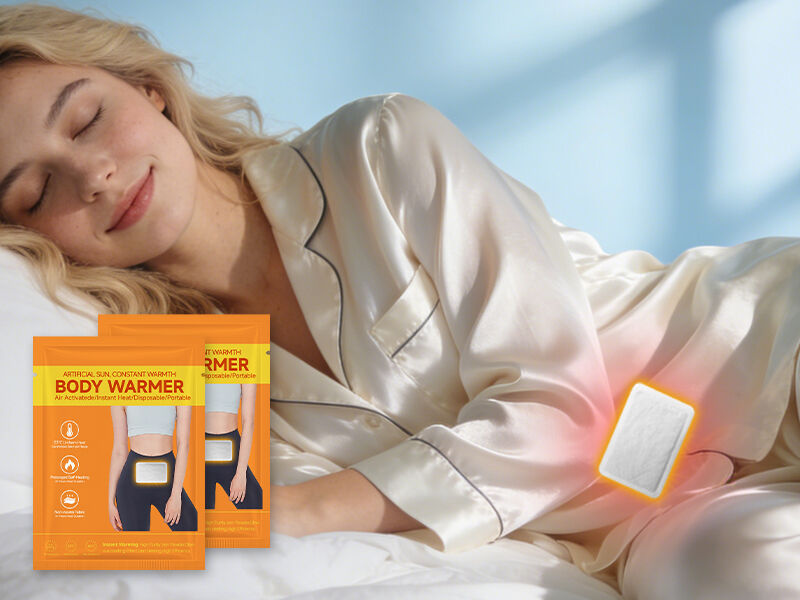
How Heat Patches Relieve Menstrual Cramps: Science and Mechanism
Physiological Action: Heat’s Impact on Uterine Smooth Muscle Relaxation and Microcirculation
Heat directly targets the root cause of menstrual cramps: prostaglandin-induced uterine contractions. When applied to the lower abdomen, thermal energy penetrates tissue layers, triggering vasodilation in pelvic blood vessels. This dual-action mechanism:
- Relaxes hypercontracted uterine muscles by inhibiting calcium ion influx into smooth muscle cells
- Boosts microcirculation, accelerating oxygen delivery and prostaglandin clearance
The resulting muscle relaxation and reduced ischemia collectively alleviate cramp intensity within 15–20 minutes of application. A 2023 study in the Journal of Women’s Health confirmed that targeted abdominal heat increases pelvic microcirculation by 40–60%, supporting this physiological response.
Clinical Evidence: What Studies Say About Heat Patch Efficacy for Primary Dysmenorrhea
Peer-reviewed research confirms heat therapy’s superiority over placebos and parity with NSAIDs for primary dysmenorrhea. Key findings include:
- 70% pain reduction in heat patch users versus 28% with no intervention (Systematic Review, Pain Medicine, 2023)
- Equivalent efficacy to ibuprofen, with half the rate of gastrointestinal side effects (RCT, n=120)
- Sustained 4–6 hour relief per application, validated by infrared thermography studies
These outcomes position heat patches as a first-line, non-pharmacological intervention for cyclical menstrual pain—endorsed by the American College of Obstetricians and Gynecologists (ACOG) as a safe, evidence-based option for primary dysmenorrhea management.
Using a Heat Patch Safely During Menstruation
Correct Placement, Duration, and Temperature Settings for Abdominal Application
Place the heat patch right on the lower part of the belly where those cramps happen. Make sure it sits flat against clean dry skin or maybe wear something light underneath if the package says that's okay. Keep the temperature around 40 to 45 degrees Celsius (which is about 104 to 113 Fahrenheit). That sweet spot helps muscles relax without causing burns. Don't leave the patch on for longer than 8 to 12 hours at once though. People who keep it on past that time tend to get irritated skin according to what we know from thermal treatments. Also steer clear of putting multiple patches together or mixing them with other electric heaters since stacking heat sources just raises the chance of getting burned.
Critical Safety Practices: Avoiding Burns, Skin Sensitivity, and Overuse
Before trying these out for the first time, do a quick patch test on the inside of your wrist to check for any sensitivity reactions. Don't put heat patches on skin that's already damaged, areas where feeling is reduced, or when going to bed at night. Most burns from heat patches happen while people are asleep because they can't feel what's happening. If the skin stays red, starts blistering, or feels itchy after applying, stop using them right away. Women dealing with regular period pain should mix up their treatment schedule too. Try alternating between heat therapy and other methods instead of relying solely on heat day after day. The skin gets stressed when exposed to heat constantly, which can weaken its protective layer and mess with how well it holds onto moisture in the long run.
Practical Heat Patch Usage Tips Across the Menstrual Cycle
Getting the most out of heat patches for menstrual cramps means knowing when to apply them right. Start using one at the very first sign something's off, usually around a day before periods actually begin, which can stop those really bad cramps from happening. On heavy flow days, keep the patch on for about six to eight hours but make sure it's not too hot, somewhere between warm and comfortably cozy, so it helps relax the uterus without burning the skin. Walking around a bit while wearing the patch tends to work better than sitting still all day. As the cramps get less intense toward the end of the cycle, cut back on how often they're used but don't forget to drink plenty of water and eat foods rich in magnesium like leafy greens or nuts, which makes a big difference in preventing another round of pain. Take the patch off before going to bed unless it specifically says it's safe to wear overnight, and try different spots on the lower back each day to prevent irritation in just one area.
- Cycle tracking: Sync patch use with your period app predictions for proactive pain management
- Activity integration: Secure patches under loose clothing during work or errands
- Multi-therapy approach: Alternate 20-minute heat sessions with gentle yoga poses
- Post-cycle care: Use residual warmth during light spotting to ease final contractions
Discontinue immediately if you experience redness or itching, and consult a healthcare provider if cramps persist beyond 48 hours of consistent heat therapy.
Heat Patch vs. Other Menstrual Pain Relief Options
Comparing Heat Patch Benefits to NSAIDs, TENS, and Herbal Remedies
When it comes to easing menstrual cramps, heat patches have several benefits over other options on the market. Many people turn to NSAIDs first, but these medications can cause stomach problems, put extra strain on kidneys, and even pose heart risks when used for too long. Heat patches work differently though they don't contain any drugs and target pain right where it hurts using simple warmth principles that our bodies naturally respond to. TENS units might seem like another alternative, but honestly who wants to deal with wires, batteries, and figuring out where exactly to place those sticky pads? Heat patches stick on easily and just keep working all day without needing attention, providing comfort for about 12 hours straight while going about normal routines. Some folks try herbal remedies such as cramp bark or ginger tea instead, but there's really no standard amount to take, nobody regulates them properly, and most studies haven't shown much effectiveness against period pain. Heat therapy works because warmth helps blood vessels relax, improves circulation around the area, and actually reduces the kind of tissue damage caused by chemical messengers called prostaglandins. Doctors and researchers back this up with plenty of evidence from actual studies too.
When to Choose a Heat Patch—and When to Seek Medical Advice
Heat patches are great option for people dealing with regular menstrual discomfort who want something that doesn't involve pills, can be carried around easily, and has actual research backing it up. These work particularly well for folks who react badly to NSAIDs, women trying to manage their pain while at work or traveling, or anyone looking for simple, safe self care options first. But there's one thing to remember though: if the cramping goes on past three days even after using heat regularly, gets worse from month to month, or comes with other issues like really heavy periods, spotting between cycles, pain during sex, or trouble conceiving, then it's time to see a doctor. Those could be signs of secondary dysmenorrhea caused by problems like endometriosis, adenomyosis, or fibroids. Just keep in mind that heat patches only address surface level discomfort. If symptoms hang around or get worse over time, getting checked out with exams, ultrasounds, or other tests makes sense so proper treatment can start.
FAQ Section
How do heat patches relieve menstrual cramps?
Heat patches alleviate menstrual cramps by relaxing hypercontracted uterine muscles and boosting microcirculation, helping to clear prostaglandins and deliver oxygen more efficiently.
Are heat patches safe to use during menstruation?
Yes, heat patches are generally safe when used as directed. Ensure correct placement and duration, avoid damaged skin areas, and monitor for any sensitivity reactions.
How do I apply a heat patch correctly?
Place the heat patch on the lower abdomen, ensuring it sits against clean, dry skin. Keep it at a temperature of 40–45 degrees Celsius and don't use it for more than 8–12 hours to prevent irritation.
What should I do if I experience skin irritation from a heat patch?
Stop using the heat patch immediately if you experience redness, blisters, or itching, and consult a healthcare provider if symptoms persist.
Can I use heat patches with other menstrual pain relief options?
Yes, you can alternate heat therapy with other methods like gentle yoga poses for a multi-therapy approach to pain relief.
When should I consult a doctor regarding menstrual cramps?
If cramps last longer than three days, worsen from month to month, or are accompanied by other symptoms like heavy periods or pain during sex, it's advisable to consult a doctor.
Table of Contents
- How Heat Patches Relieve Menstrual Cramps: Science and Mechanism
- Using a Heat Patch Safely During Menstruation
- Practical Heat Patch Usage Tips Across the Menstrual Cycle
- Heat Patch vs. Other Menstrual Pain Relief Options
-
FAQ Section
- How do heat patches relieve menstrual cramps?
- Are heat patches safe to use during menstruation?
- How do I apply a heat patch correctly?
- What should I do if I experience skin irritation from a heat patch?
- Can I use heat patches with other menstrual pain relief options?
- When should I consult a doctor regarding menstrual cramps?