
 EN
EN
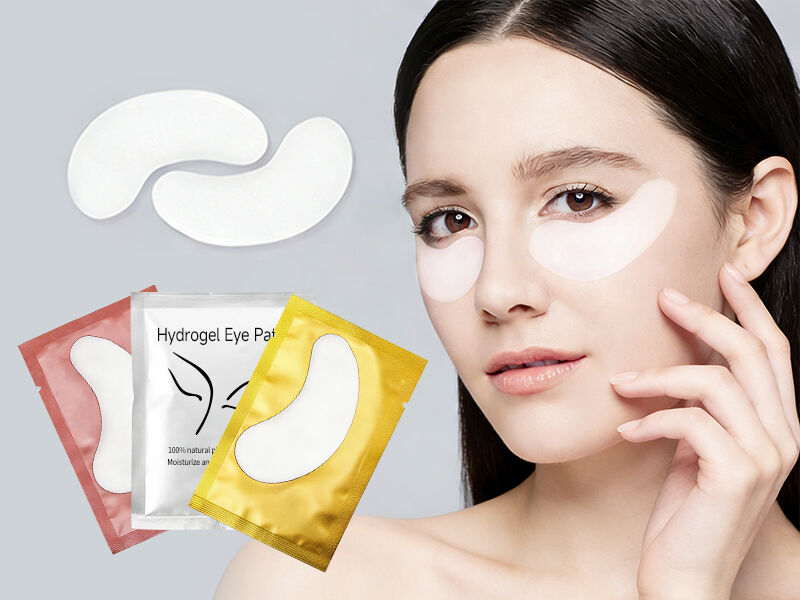
Why Eye Patches Effectively Soothe Tired Eyes After Work
The Physiology of Digital Eye Strain and Periorbital Micro-Inflammation
Staring at screens for long periods cuts blinking rates nearly in half, which speeds up tear evaporation and causes tiny inflammatory reactions around the eyes according to Vision Council research from last year. These small inflammations mess with blood vessels underneath the skin, causing fluid buildup that shows up as puffy bags and dark shadows under the eyes. Regular face creams just don't cut it here because they sit on top of the skin. Hydrogel eye patches work better since they create a protective layer that stops moisture from escaping while slowly releasing special ingredients right where they're needed most on those tired, irritated areas.
How Eye Patch Formulations Deliver Targeted Cooling, Hydration, and De-Puffing
Advanced formulations integrate three synergistic, clinically supported mechanisms:
| Mechanism | Active Ingredients | Measurable Effect |
|---|---|---|
| Cooling | Menthol derivatives | Induces vasoconstriction, reducing puffiness by up to 30% |
| Hydration | Hyaluronic acid (HA) | Boosts moisture retention by 200% within 15 minutes |
| Drainage | Caffeine peptides | Accelerates interstitial fluid clearance by 22% |
The serum-rich hydrogel matrix penetrates 0.3 mm deeper than conventional creams—reaching capillary networks where inflammation originates. This precision delivery underpins the 89% immediate relief rate reported in controlled user trials.
How to Apply Eye Patches Correctly in Your Evening Routine
Step-by-Step Application: Cleanse – Position – Relax (15–30 Minutes)
Start by washing the area with something gentle and oil free to get rid of any dirt or makeup buildup. This is really important because if there's anything on the skin, the patches won't stick as well and the good stuff inside won't absorb properly. After cleansing, gently pat the skin until it's completely dry. Place the patches right where they belong - on the clean, dry skin just below the eyes following the natural curve of the bone, but be careful not to put them on top of lashes or actual eyelid skin. Leave them alone for about 15 to 30 minutes max. If left on too long, the ingredients might actually start working backward instead of getting absorbed. When removing, always start at the outer edges first. Then take those ring fingers (they have the lightest touch) and press whatever serum remains upward into the skin. Finish things off with a light moisturizer that won't clog pores.
Timing Tips: When to Use Eye Patches Relative to Cleanser, Serum, and Moisturizer
The best time for eye patches is right after cleaning the face but before any serums, toners, or moisturizers get applied. Putting them on this way lets the ingredients actually reach the skin instead of getting blocked by other products. When someone uses a toner or essence, those should go on first followed quickly by the patches themselves. People dealing with things like fine lines might want to try a light peptide serum under their patches too since it can help stuff absorb better. Just don't put anything thick or heavy underneath though. Moisturizer always comes last to keep everything locked in place. Oil based stuff like primers or balms shouldn't be used under patches because they make them stick poorly and stop good absorption. Most folks find that using these at night works really well since that's when skin does most of its repairing work. Dermatologists generally suggest going 3 to 5 times per week for best results over time.
Maximizing Results: Post-Eye Patch Care and Common Pitfalls
Gentle Serum Massage and Moisturizer Lock-In: Why Sequence Matters
Once those patches come off, take a moment to work any leftover serum into the delicate under eye area. Use gentle upward strokes with the ring fingers since they apply the least pressure. This helps move fluid around without tugging at such thin skin. Next step? Grab that peptide packed serum to give collagen a boost, followed by something rich in ceramides for moisture locking. The timing matters here because skin actually absorbs better right after patch removal. Studies show this order can boost ingredient uptake by almost two thirds versus doing things backward. And don't skip moisturizing either. Without it, about 4 out of 10 good stuff molecules just vanish in an hour or so.
Top 3 Eye Patch Mistakes: Dirty Skin, Overnight Wear, and Skincare Timing Errors
Avoid these evidence-backed missteps:
- Applying to unclean skin: Oil or makeup residue cuts active ingredient absorption by up to 50%
- Wearing overnight: Drying patches reverse hydration, increase irritation risk, and may foster microbial buildup
- Layering after moisturizer: Heavy products block patch contact and diffusion—always use patches before serums and moisturizers
Exceeding 30 minutes risks adhesive-related irritation, while inconsistent use erodes cumulative brightening and depuffing gains by up to 75%. For reliable post-work recovery, integrate patches early in your evening routine 3–4 times per week.
FAQ
What are the primary benefits of using eye patches?
Eye patches primarily provide targeted cooling, hydration, and depuffing effects to reduce puffiness and dark circles, soothe tired eyes, and boost moisture retention.
How often should I use eye patches for best results?
For optimal results, dermatologists generally recommend using eye patches 3 to 5 times per week.
Can I apply eye patches over makeup?
No, it's crucial to apply eye patches on clean, dry skin for maximum absorption of active ingredients.
Why should I avoid wearing eye patches overnight?
Wearing eye patches overnight can lead to drying effects, increased irritation, and microbial buildup, as the patches are designed for short-term use only.
What should I apply after removing the eye patches?
After removing the eye patches, gently massage any remaining serum into the skin and follow with a peptide-packed serum and a ceramide-rich moisturizer for optimal results.