
 EN
EN
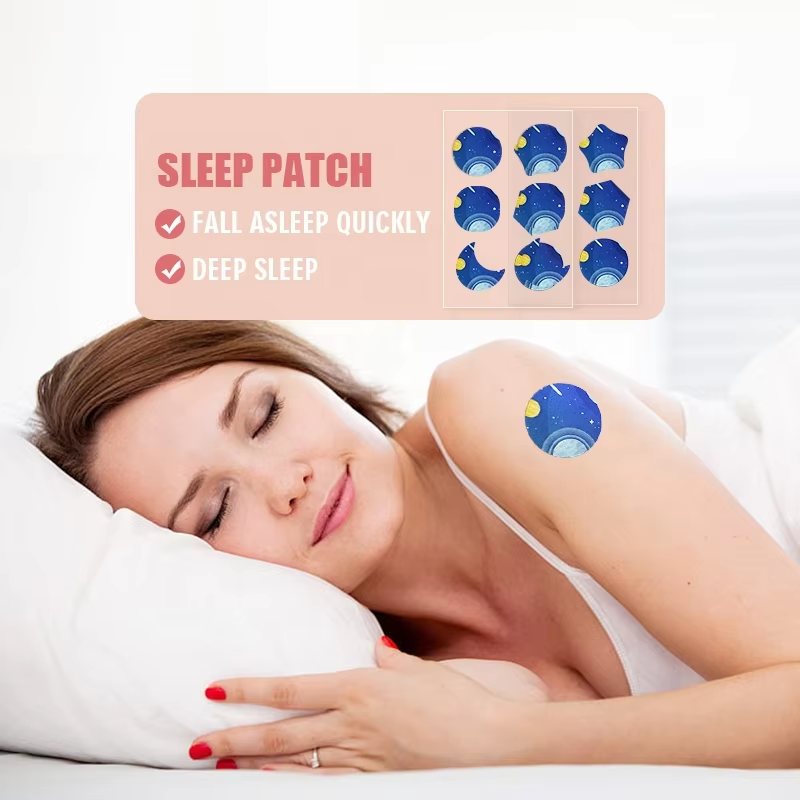
Optimize Your Bedroom Environment for Better Sleep
Control Light, Noise, and Temperature for Ideal Sleep Conditions
A sleep-friendly bedroom hinges on three core environmental factors:
- Temperature: Maintain 60–67°F (15–19°C) to support the body's natural thermoregulation during sleep. This range aligns with circadian rhythms, promoting deeper slow-wave sleep essential for physical recovery.
- Light: Use blackout curtains that block 90–99% of external light. Even minimal exposure can reduce melatonin production by up to 50%, disrupting sleep onset and quality (Journal of Clinical Sleep Medicine, 2023).
- Noise: White noise machines are more effective than earplugs alone, reducing disruptive sounds by 38% and supporting uninterrupted sleep.
| Sleep Factor | Ideal Range | Improvement in Sleep Quality |
|---|---|---|
| Temperature | 60–67°F | 42% faster sleep onset |
| Light | 0–5 lux | 30% longer REM cycles |
| Noise | ≤30 dB | 27% fewer nighttime awakenings |
Choose the Right Mattress, Bedding, and Air Quality Solutions
Select hypoallergenic mattresses to reduce allergen exposure by 62%, and breathable linen sheets that lower night sweats by 55%. Enhance air quality with:
- HEPA air purifiers, which capture 99.97% of airborne particles
- Humidity monitors to maintain optimal levels between 30–50%
- Bamboo-derived pillows, shown to be 33% cooler than polyester alternatives
These choices collectively improve thermal comfort and respiratory health during sleep.
Reduce Technology Distractions That Disrupt Sleep Hygiene
The blue glow from our phones and tablets can push back melatonin production by almost an hour and a half, messing with our body's natural sleep signals. Swapping digital screens for old fashioned paper books makes a real difference too. People who read physical books often fall asleep faster and stay asleep longer, with some studies showing around 50-60% improvement over those using e-readers. For waking up, try ditching smartphone alarms altogether. A simple wind-up clock works wonders, and setting up smart lights to slowly fade out two hours before bed helps signal to the brain that it's time to start winding down naturally.
Case Study: How a Family Improved Sleep by Redesigning Their Bedroom
After replacing fluorescent lighting with dimmable LEDs, installing soundproofing panels, and switching to a cooling mattress, a household saw measurable improvements within four weeks:
- Sleep efficiency rose from 76% to 89%
- Midnight awakenings dropped from 3.2 to 0.7 per night
- Daytime fatigue decreased by 44%
Recent sleep studies confirm that comprehensive bedroom optimization increases the likelihood of achieving restorative sleep by 73%.
Establish a Consistent Sleep Schedule to Regulate Circadian Rhythms
How Regular Sleep and Wake Times Improve Sleep Quality
Keeping regular bedtimes and wake up times helps train our body's internal clock, which actually cuts down on those middle of the night awakenings by about 42 percent according to research from NIH back in 2022. When people have all over the place schedules, they end up with fragmented sleep around 30% more often as shown in some recent studies from last year. The thing is, even if someone varies their sleep time just 90 minutes each day, this messes with when melatonin gets produced. Our bodies get confused because the light exposure and daily activities don't line up properly anymore, pushing back melatonin release by as much as two whole hours sometimes.
Avoid Weekend Sleep Drift Without Feeling Restricted
Try not to let weekend sleeping habits drift too far from your regular schedule—ideally keeping any changes under an hour. Recent studies from sleep trackers in 2024 showed something interesting: people who caught up on sleep by adding three or four extra hours over the weekend tended to struggle with concentration Monday mornings, scoring about 19 percent lower in focus tests. Rather than trying to make up lost sleep time, consider other ways to refresh. Simple things like taking a walk outside first thing in the morning or practicing some calming breathing exercises can help wake up the brain without throwing off our body's internal clock that regulates when we feel awake and tired throughout the day.
Use Wearable Devices to Monitor and Adjust Your Sleep Patterns
Modern wearables assess sleep stages with 89% accuracy relative to clinical polysomnography (Sleep Health Foundation, 2023). By tracking trends in REM and deep sleep, these tools offer personalized feedback—such as adjusting bedtime in 15-minute increments or refining pre-sleep routines—to gradually optimize sleep architecture.
Align Your Routine with Your Natural Chronotype for Better Results
Forcing an evening chronotype into an early schedule reduces sleep efficiency by 24% (Chronobiology International, 2022). Whether you're naturally inclined toward mornings, evenings, or intermediate patterns, aligning your routine with your biological predisposition improves restfulness. Identify your chronotype through observation or genetic testing, then structure work and rest accordingly.
Limit Blue Light Exposure Before Bed to Support Melatonin Production
How Blue Light from Screens Delays Sleep Onset
Blue light wavelengths (around 480 nm) suppress melatonin production by up to 50% compared to darkness, tricking the brain into perceiving daytime. According to a 2024 sleep study, screen use within one hour of bedtime delays sleep onset by 30–45 minutes by interfering with circadian signaling.
Practical Ways to Reduce Screen Time for Families and Professionals
Implement a 60-minute screen curfew before bed, replacing device use with low-light activities like reading. Families benefit from shared charging stations outside bedrooms, reducing temptation. Professionals can activate "Do Not Disturb" modes after 8 PM to minimize work-related interruptions and preserve mental boundaries.
Evaluate 'Night Mode' Features vs. Real Screen Dependency Trends
While night mode settings reduce blue light emission by 20–30%, they still emit 40% more sleep-disruptive light than dimmed lamps. These filters offer partial protection but don’t fully prevent melatonin suppression. The most effective strategy is shifting screen use earlier in the evening rather than relying solely on software adjustments.
Create an Effective Digital Curfew That Enhances Sleep Hygiene
Gradually reduce evening screen time by 15 minutes per week until reaching a 90-minute digital curfew before bed. A phased approach helped families achieve 34% faster sleep onset in 2023 sleep hygiene trials. Pair this habit with red-spectrum nightlights (under 3000K color temperature) to maintain melatonin-friendly lighting throughout the night.
Practice Relaxation Techniques to Calm the Mind Before Sleep
Breathing Exercises, Meditation, and Muscle Relaxation Methods
When someone practices controlled breathing along with mindfulness techniques, they actually trigger their body's rest mode through the parasympathetic nervous system. This can lead to a drop in heart rate somewhere between 8 to 12 beats per minute and might cut nighttime cortisol levels by around 18%, according to research published by NIH last year. Another effective method is progressive muscle relaxation where people tense then release each muscle group starting from their toes all the way up to their shoulders. A recent study found this approach helped folks drift off to sleep about 22% quicker than usual. For even better results, try combining these methods with what some call the 4-7-8 breathing pattern. Just breathe in deeply for four seconds, hold that breath for seven, then let it out slowly over eight seconds. Most find this combination works wonders for calming both body and mind before bed.
Why a Hot Bath or Shower Before Bed Improves Sleep Onset
Taking a 10-minute warm bath 1–2 hours before bedtime induces a rapid post-soak drop in body temperature (0.3–0.5°C), mirroring the natural thermal shift that promotes melatonin release. In a 2022 study of 500 people with sleep-onset insomnia, this simple ritual improved sleep efficiency by 15%.
The Rise of Wind-Down Routines in High-Stress Work Environments
Seventy-nine percent of professionals in Fortune 500 companies now use employer-sponsored relaxation apps during evening transitions, reporting 32% fewer nighttime awakenings. Companies implementing mandatory 20-minute pre-bed mindfulness periods observed a 40% decline in sleep-related productivity losses.
Case Study: Corporate Employees Reduced Insomnia by 40% with Relaxation
A tech company introduced guided meditation and breathing exercises across its 12,000-person workforce. Within six months, employees reported 41% fewer insomnia episodes and 27% higher sleep quality scores—demonstrating that structured relaxation programs can scale effectively as part of workplace wellness initiatives.
Manage Diet, Exercise, and Napping for Optimal Sleep Health
How Caffeine, Alcohol, and Late-Night Eating Disrupt Better Sleep
Caffeine consumed within six hours of bedtime degrades sleep quality by 30% (Sleep Foundation, 2024). Alcohol may initially induce drowsiness but fragments sleep architecture, reducing restorative REM sleep by 41% (News-Medical, 2023). Late meals elevate core body temperature due to digestion, delaying sleep onset by an average of 22 minutes compared to earlier eating.
Time Your Meals and Snacks to Avoid Digestive Sleep Interference
The Sleep Foundation recommends finishing large meals 3–4 hours before bed. A 2023 trial showed participants who ate dinner before 7 PM experienced 15% deeper slow-wave sleep and 28% fewer nighttime awakenings than those eating later.
Exercise Timing: When to Work Out for Maximum Sleep Benefit
Getting moving in the morning actually helps align our body clocks better. People who hit the gym around 7 AM see about an 18% increase in melatonin production when compared to those working out at night. On the flip side though, going all out right before bed can be problematic. Intense exercise within two hours of lights out tends to crank up the heart rate and body temp, which means most folks (around 67%) find themselves lying awake for an extra 14 minutes trying to fall asleep. If someone wants to get the most benefit from their workout routine, it makes sense to save the heavy lifting for daylight hours while keeping evening activities low key stuff like yoga poses or a leisurely stroll around the neighborhood.
Strategic Power Napping: Avoid Long or Late Naps That Harm Night Sleep
Keep naps under 20 minutes and before 3 PM. A 2024 meta-analysis found early afternoon naps improve alertness by 34% without affecting nighttime sleep, while naps after 4 PM reduce sleep efficiency by 11% in healthy adults.
Debate: Is a Light Bedtime Snack Helpful or Harmful?
Snacks that are small (under about 200 calories) and rich in tryptophan such as almonds or bananas might help some people fall asleep faster. But wait there's a catch. A recent study from last year found that nearly 6 out of 10 people had trouble sleeping through the night if they ate anything within ninety minutes of going to bed. This shows how different people react to food close to bedtime. For those who still want something, go for light fare that sits well on the stomach. Try to finish eating at least one hour before hitting the pillow for best results.
FAQ Section
Q1: What temperature should my bedroom be for optimal sleep?
A1: Maintaining a temperature between 60–67°F (15–19°C) aligns with your circadian rhythms and supports deep sleep.
Q2: How does blue light affect sleep?
A2: Blue light suppresses melatonin production, delaying sleep onset. It's advisable to reduce screen exposure before bedtime.
Q3: Are there benefits to establishing a consistent sleep schedule?
A3: Yes, regular sleep and wake times help regulate your internal clock, reducing nighttime awakenings and improving overall sleep quality.
Q4: What relaxation techniques can improve sleep?
A4: Controlled breathing, meditation, and progressive muscle relaxation techniques can lower heart rate and cortisol levels, aiding sleep onset.
Q5: Is it better to avoid caffeine close to bedtime?
A5: Yes, caffeine consumed within six hours of bedtime can degrade sleep quality, so it's best to avoid it in the evening.
Table of Contents
- Optimize Your Bedroom Environment for Better Sleep
- Establish a Consistent Sleep Schedule to Regulate Circadian Rhythms
- Limit Blue Light Exposure Before Bed to Support Melatonin Production
- Practice Relaxation Techniques to Calm the Mind Before Sleep
-
Manage Diet, Exercise, and Napping for Optimal Sleep Health
- How Caffeine, Alcohol, and Late-Night Eating Disrupt Better Sleep
- Time Your Meals and Snacks to Avoid Digestive Sleep Interference
- Exercise Timing: When to Work Out for Maximum Sleep Benefit
- Strategic Power Napping: Avoid Long or Late Naps That Harm Night Sleep
- Debate: Is a Light Bedtime Snack Helpful or Harmful?
- FAQ Section