
 EN
EN
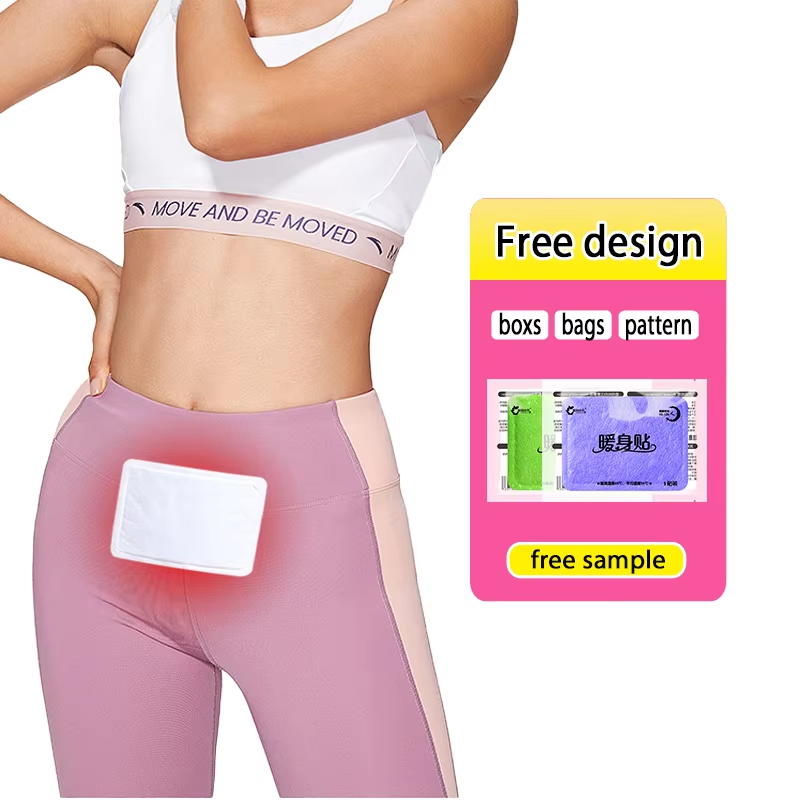
How Heat Patches Work: The Science Behind Muscle Pain Relief
The science behind heat therapy for muscle pain
When someone applies heat to sore muscles, they're basically using warmth to get those blood vessels to open up wider. Studies show this can boost blood flow anywhere from 15 to maybe even 20 percent in areas that have been overworked. The extra blood brings more oxygen to the tissue while flushing out stuff like lactic acid buildup that causes discomfort after exercise. According to research published last year in a pain management journal, applying heat actually makes the tiny sensors inside muscles less sensitive. This effect seems to cut down on muscle spasms quite a bit for people dealing with sudden back pain episodes, with some seeing relief as high as 38 percent reduction in their symptoms.
How does a heat patch work for muscle pain relief?
Modern heat patches generate a steady 40–42°C (104–107.6°F) for 8–12 hours through controlled oxidation of iron powder, activated charcoal, and water. This sustained warmth:
- Penetrates 2–3 cm into muscle tissue
- Inhibits nociceptors (pain receptors) at therapeutic temperatures
- Increases tissue elasticity by 30–40%, according to musculoskeletal recovery studies
Mechanism of action of heat therapy in pain modulation
Heat reduces pain through two neurological pathways:
- Gate Control Theory: Thermal signals override pain impulses traveling via C-fibers to the spinal cord
- Descending Inhibition: Stimulates endogenous opioid release in the brain’s periaqueductal gray matter
Clinical thermography shows this dual mechanism reduces pain perception by 45–60% in chronic lower back pain patients within 20 minutes.
Effectiveness of Heat Patches: Evidence and Applications
Clinical evidence supporting heat patch effectiveness
Studies confirm heat patches improve musculoskeletal pain management. Research in the Journal of Gerontology shows significant gains in joint flexibility and reduced stiffness among seniors using localized heat therapy. According to Harvard Health analyses, heat therapy is especially effective for osteoarthritis, which affects nearly one-third of older adults.
Efficacy of heat patches for different types of back pain
Heat patches offer targeted benefits across back pain categories:
- Acute muscular strain: Speeds recovery via increased blood flow
- Chronic disc-related pain: Enhances outcomes when paired with physical therapy
- Postural discomfort: Provides long-lasting relief during daily movement
Use of continuous low-level heat wrap therapy in acute and chronic pain
Advanced heat wraps maintain therapeutic temperatures for 8–12 hours using oxygen-activated chemistry. This consistent warmth:
- Supports healing through improved circulation
- Reduces muscle guarding and involuntary contractions
- Boosts penetration of topical analgesics
Heat therapy for acute muscle strain and spasms
Early application of heat patches:
- Shortens recovery time
- Improves mobility in neck and shoulder injuries
- Complements anti-inflammatory treatments
Managing chronic lower back pain with heat patches
Heat patches are a clinically supported option for persistent lower back discomfort, offering:
- A non-pharmacological alternative to oral NSAIDs
- Improved adherence to physical therapy
- Reduced dependence on systemic pain medications
Heat therapy for knee pain and other localized musculoskeletal conditions
Targeted heat helps manage:
- Osteoarthritic knee pain
- Rotator cuff tendinitis symptoms
- Carpal tunnel discomfort
Benefits of Heat Patches as a Non-Invasive Pain Solution
Non-invasive and drug-free alternative to pain medication
Heat patches offer good targeted relief without messing around with the whole body like pills often do. They don't interact badly with other medications either. Oral NSAIDs cause stomach problems for about 15 to 30 percent of people who take them regularly. Heat therapy works differently though. When applied to sore muscles, it naturally widens blood vessels which can boost blood flow by as much as 40 percent according to research published in the Journal of Pain Research back in 2022. For folks dealing with chronic pain conditions like arthritis, many find themselves needing fewer painkillers after just a couple weeks of using heat consistently. Around 6 out of 10 patients actually reduce their medication intake this way pretty quickly.
Convenience and portability of heat patch solutions
Featuring medical-grade adhesives and ultra-thin profiles (0.3–0.5 mm), modern heat patches are designed for discreet, all-day wear. Powered by oxygen-activated technology, they maintain therapeutic warmth (40–42°C) for 8–12 hours without cords or outlets. Their moisture-wicking fabric allows comfortable use under clothing, making them ideal for:
- Office workers with posture-related neck strain
- Athletes recovering between training sessions
- Seniors maintaining independence during daily activities
A 2024 consumer study found 78% of users find heat patches easier to integrate than traditional heating pads, with 92% satisfied in managing acute muscle spasms.
Best Practices for Applying Heat Patches Effectively
Proper Placement on the Body for Maximum Effect
When applying heat patches, place them on clean, dry skin right over those tight spots in muscles or joints where tension builds up. If dealing with lower back issues, lay the patch flat across the small of the back so it can reach several different muscle areas at once. Never put them on skin that's broken, irritated, or doesn't feel sensations properly though. Some recent research from 2024 actually found that when people placed heat specifically on their trapezius muscles (those big ones at the top of the shoulders), they noticed their neck stiffness went away about 31 percent quicker compared to just slapping a patch anywhere randomly. Makes sense really since targeting specific trouble spots tends to work better most of the time.
Recommended Duration for Heat Patch Use
Most patches provide effective heat for 8–12 hours. Follow manufacturer instructions carefully—exceeding 12 hours raises skin irritation risk by 40% (Journal of Thermal Medicine, 2023). For chronic conditions like arthritis, limit sessions to 60–90 minutes with 30-minute breaks to preserve skin health.
Application Modalities of Heat Therapy
| Modality | Best For | Duration | Key Advantage |
|---|---|---|---|
| Adhesive Patches | Localized lower back/neck pain | 8-12 hrs | Hands-free targeted relief |
| Wraps | Large muscle groups | 4-6 hrs | Adjustable compression |
| Reusable Belts | Chronic pelvic pain | 1-2 hrs/session | Eco-friendly cost savings |
For shoulder or hip discomfort, wraparound designs ensure consistent contact during motion. During acute flare-ups, combine adhesive patches with gentle stretching in the first 30 minutes to enhance circulation.
Heat Therapy vs. Cold Therapy: Choosing the Right Option for Muscle Pain
Comparative Analysis: Heat vs. Cold for Acute Injuries
For those dealing with recent injuries like sprained ankles or sore muscles after working out, cold therapy tends to work best. When applied early on, the cold causes blood vessels to narrow, which actually helps bring down swelling around the affected area. According to some research from Healthline last year, people who used ice packs within two days of getting hurt reported about 34% less pain than those who relied on heating pads instead. On the flip side, heat does something different altogether it gets the blood flowing more and helps loosen up stiff muscles. That makes hot packs better suited for old injuries that have already healed somewhat rather than fresh wounds where we need to control inflammation first.
When to Choose Heat Therapy Over Cold Therapy
Opt for heat therapy in chronic conditions like arthritis or ongoing muscle tension, where improved circulation supports healing. Clinical guidelines recommend heat for:
- Reducing morning stiffness
- Warming muscles before activity
- Managing non-inflammatory back pain
Heat patches excel here by delivering consistent, mobile-friendly warmth.
Role of Heat Therapy in Improving Range of Motion and Pain Relief
Heat improves joint flexibility by increasing connective tissue elasticity. Rheumatology studies show a 15-minute heat session enhances shoulder mobility by 18% in arthritis patients. It also modulates pain signals through thermal nerve stimulation, providing both mechanical and neurological benefits.
| Therapy Type | Best For | Mechanism | Duration Guidance |
|---|---|---|---|
| Heat | Chronic pain, stiffness | Vasodilation & muscle relaxation | 15-20 minutes |
| Cold | Acute swelling, injuries | Vasoconstriction & numbing | 10-15 minutes |
FAQs About Heat Patches
How long should I wear a heat patch?
Most heat patches provide effective heat for 8–12 hours. However, it is advised to follow manufacturer instructions carefully and avoid using patches for more than 12 hours to prevent skin irritation.
Can heat patches be used for all types of muscle pain?
Heat patches are effective for chronic pain, stiffness, and for improving circulation. They are not recommended for fresh injuries where cold therapy might be more beneficial.
Are there any potential side effects of using heat patches?
Extended use beyond recommended duration can lead to skin irritation. It is important to adhere to usage guidelines to avoid such side effects.
Table of Contents
- How Heat Patches Work: The Science Behind Muscle Pain Relief
-
Effectiveness of Heat Patches: Evidence and Applications
- Clinical evidence supporting heat patch effectiveness
- Efficacy of heat patches for different types of back pain
- Use of continuous low-level heat wrap therapy in acute and chronic pain
- Heat therapy for acute muscle strain and spasms
- Managing chronic lower back pain with heat patches
- Heat therapy for knee pain and other localized musculoskeletal conditions
- Benefits of Heat Patches as a Non-Invasive Pain Solution
- Best Practices for Applying Heat Patches Effectively
- Heat Therapy vs. Cold Therapy: Choosing the Right Option for Muscle Pain
- FAQs About Heat Patches