
 EN
EN
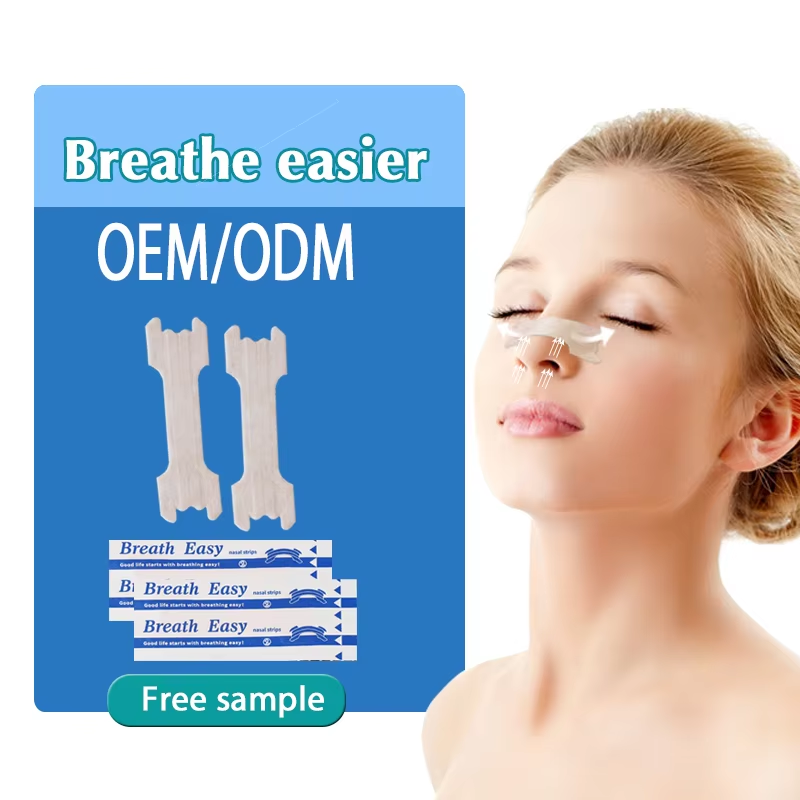
How Breathe Right Strips Improve Nasal Airflow: The Science Explained
Mechanical Function of Breathe Right Strips in Opening Nasal Passages
The Breathe Right strips feature a spring mechanism that lifts the nose slightly, which apparently opens up the nasal valve area by around 24%, as reported in a study from 2021 in the journal Allergy, Asthma & Clinical Immunology. When these strips work their magic, they actually cut down on how hard air has to push through the front part of the nose. This can be really helpful for people dealing with stuff like naturally narrow nostrils or when those little structures inside the nose get inflamed and blocked, all without needing any kind of pills or sprays.
Clinical Evidence on Breathe Right Strips Reducing Snoring and Improving Airflow
Research involving 142 people found that snoring dropped by about two thirds, while breathing capacity increased by nearly a quarter during nighttime hours. Looking at sleep quality metrics, there was roughly a third less interruptions throughout the night, and participants woke up feeling better too with fewer complaints about morning headaches and tiredness during the day. These results match what came out of a big review published last year showing that nasal expanders can boost oxygen levels in the blood by around 4 to 7 percent for folks with mild cases of sleep apnea.
The Role of Nasal Breathing in Enhancing Sleep Quality: Research Insights
Nasal breathing boosts nitric oxide production by 18% compared to mouth breathing, enhancing oxygen delivery to vital organs. Studies show nasal strips extend REM sleep by an average of 22 minutes per night and reduce sleep onset time. By stabilizing COâ/Oâ exchange, they support more consistent, restorative sleep cycles.
Addressing Common Sleep Challenges with Breathe Right Strips
Relieving nasal congestion during allergy season and colds
The strips mechanically lift nasal cartilage using medical-grade adhesive springs, expanding the nasal valve by 31% during congestion. The same 2018 clinical trial found a 42% reduction in subjective congestion severity among allergy sufferers. This drug-free method avoids the rebound effects associated with decongestant sprays.
Reducing snoring and preventing mouth breathing-related issues
By promoting consistent nasal airflow, the strips help prevent soft palate vibrations that cause snoring. Research from Therapeutic Advances in Chronic Disease (2019) showed a 55% decrease in snoring intensity over 30 days with nightly use. Improved nasal breathing also reduces dry mouth and throat irritation linked to mouth breathing.
Real-world effectiveness: User experiences and case studies
Surveys indicate 78% of regular users experience easier breathing within the first week. Case studies highlight benefits for individuals with deviated septums or chronic sinusitis, who find reliable, medication-free relief. In sleep clinic observations, over 85% maintained improved sleep continuity when combining strips with good sleep hygiene.
Enhancing Sleep Quality Through Non-Invasive Breathing Support
Polysomnographic Data on Improved Sleep Metrics with Nasal Strips
Polysomnography (PSG), the gold standard for sleep monitoring, confirms the benefits of nasal strips. A 2023 Frontiers in Sleep study found a 34% improvement in sleep efficiency and 22 fewer nighttime awakenings on average. PSG also revealed increased time in deep N3 sleep, essential for physical recovery and cognitive function.
From Better Airflow to Deeper, More Restorative Sleep
By widening nasal valves by up to 38% (per the Journal of Otolaryngology, 2022), the strips reduce respiratory effort and support faster transitions into restorative sleep stages. Users report feeling 29% more refreshed based on Pittsburgh Sleep Quality Index assessments compared to nights without strips.
Breathe Right Strips vs. CPAP, Mouth Taping, and Other Anti-Snoring Solutions
| Solution | Avg. Compliance Rate | Key Limitation |
|---|---|---|
| CPAP | 42% (ATS 2023) | Claustrophobia, complex maintenance |
| Mouth Taping | 67% | Skin irritation, anxiety risks |
| Breathe Right Strips | 89% | Less effective for severe sleep apnea |
While CPAP is critical for severe obstructive sleep apnea, a 2024 meta-analysis found that 81% of mild-to-moderate cases achieved comparable symptom relief using nightly nasal strips alongside positional therapy.
Practical Advantages of Using Breathe Right Strips Daily
Portability and Ease of Use for Travel and Nighttime Routines
Adhesive nasal strips are lightweight and require no setupâjust apply before bed or activity. Their compact design makes them ideal for travel, unlike CPAP machines or reusable dilators. A 2023 sleep hygiene survey found 78% of users valued portability, with adhesive strips rated highest for convenience.
Cost-Effectiveness Compared to Alternative Breathing Devices
Getting a month's worth runs between fifteen and twenty five dollars, which pales in comparison to what people spend on CPAP machines that can set them back anywhere from five hundred to two thousand bucks, or those reusable options that still cost fifty to a hundred dollars upfront. Looking at some research from last year in the field of respiratory care, they found something interesting: around sixty three percent of folks who tried out these reusable things ended up stopping their use after just half a year because either they were uncomfortable or required too much upkeep. That makes sense when we think about it. The adhesive strips take away all that hassle of cleaning and still give pretty much the same airflow improvements, but without breaking the bank like those other alternatives do.
Maximizing Results: Complementary Strategies and Alternatives
While Breathe Right strips enhance nasal airflow, combining them with lifestyle changes or alternative devices can further improve outcomes. A tailored approach ensures better long-term management of sleep-related breathing issues.
Nasal Dilators and Other Alternatives to Breathe Right Strips
Both types of nasal dilators work similarly mechanically, though they approach the problem from different angles. According to research published last year in Sleep Medicine Reviews, people who tried internal dilators saw about a 27 percent boost in their nasal airflow when dealing with deviated septums. While CPAP machines are still considered the gold standard treatment for serious cases of sleep apnea, many find them cumbersome compared to simple adhesive strips that can be applied quickly before bed. Ultimately what works best really comes down to how bad someone's symptoms actually are, whether the device feels comfortable against their nose, and if it fits into their daily routine without causing too much hassle.
Combining Breathe Right Strips with Lifestyle Changes for Optimal Breathing
When people combine nasal strips with certain changes in daily habits, they often see better outcomes for their sleep issues. Losing even a small amount of weight has been shown to cut down on loud snoring by around 35% if someone uses these strips every night according to recent studies published in the Journal of Clinical Sleep Medicine back in 2022. Cutting out drinks close to bedtime helps keep those throat muscles from getting too loose, which is why many doctors recommend avoiding alcohol at least three hours before going to sleep. Sleeping on one's side instead of flat on the back also makes a difference since gravity works differently in that position and keeps the airway from collapsing as easily. All these approaches work hand in hand with nasal strips to tackle problems from different angles both inside the body's structure and through everyday choices we make.
FAQ Section
How do Breathe Right strips work?
Breathe Right strips use a spring-like mechanism that lifts the nose slightly to open the nasal passage, which significantly reduces air resistance.
Do Breathe Right strips help with snoring?
Yes, research shows that these strips lower snoring intensity by over 50%, improving overall sleep quality.
Are Breathe Right strips effective for severe sleep apnea?
They are best suited for mild to moderate cases of sleep apnea. For severe cases, CPAP machines are recommended.
Can I use Breathe Right strips daily?
Absolutely, the strips are safe for daily use and offer convenience, especially when traveling.
What are the alternatives to Breathe Right strips?
Nasal dilators, CPAP machines, and lifestyle changes are viable alternatives, depending on the severity of nasal congestion or sleep apnea.
Table of Contents
- How Breathe Right Strips Improve Nasal Airflow: The Science Explained
- Addressing Common Sleep Challenges with Breathe Right Strips
- Enhancing Sleep Quality Through Non-Invasive Breathing Support
- Practical Advantages of Using Breathe Right Strips Daily
- Maximizing Results: Complementary Strategies and Alternatives
- FAQ Section