
 EN
EN
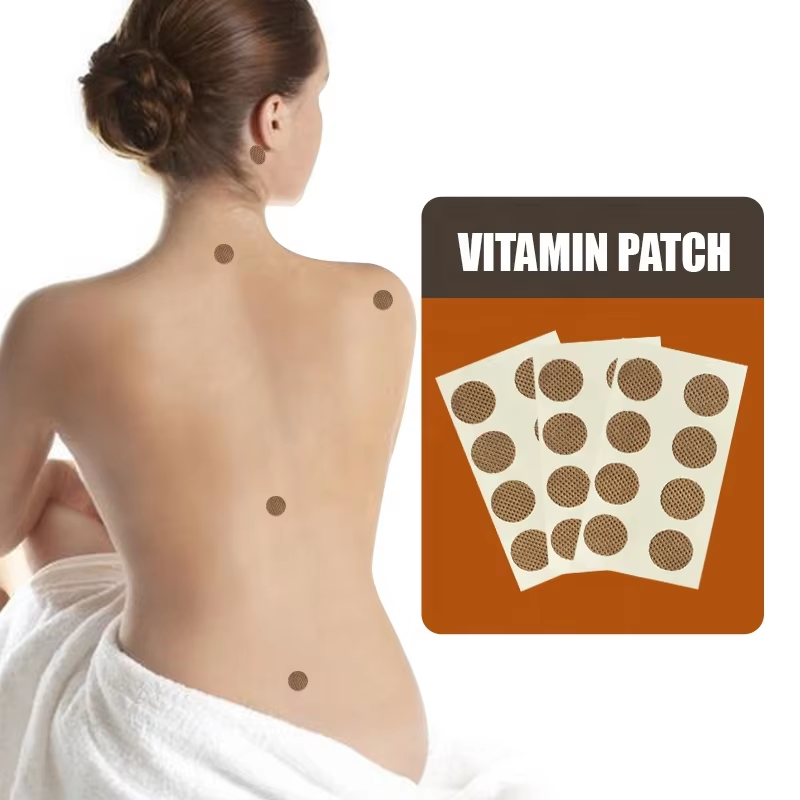
Assessing Your Energy Needs and Daily Patterns
Identifying Your Energy Slump Patterns
Keeping track of when energy levels go up and down can be done through a digital diary or smart watch worn for about three to five days straight. According to studies published in the Journal of Chronobiology back in 2023, roughly two thirds of grown ups tend to hit their lowest point somewhere between 2pm and 4pm each day. During those hours, people's thinking abilities often take quite a hit too, sometimes falling anywhere from twenty to thirty five percent below normal. When keeping tabs on these patterns, it helps to pay attention to what was eaten recently, how much water someone drank throughout the day, and just how demanding the tasks at hand actually were. This kind of observation makes it possible to tell whether tiredness comes from something physical going on inside the body versus simply being overwhelmed by circumstances.
Matching Patch Strength to Activity Levels
- High-intensity activities (athletic training, extended shifts): Use 10–12 hour patches delivering 80–100mg caffeine equivalents
- Moderate tasks (office work, parenting): Choose 6–8 hour patches with B vitamin complexes and 50mg caffeine
- Low-energy periods (recovery days, meditation): Opt for stimulant-free options containing L-theanine and adaptogens
Clinical trials demonstrate 32% better endurance outcomes when athletes align transdermal delivery systems with workout schedules versus random application (Sports Medicine Review, 2023).
Evaluating Circadian Rhythm and Fatigue Triggers
Map your biological prime time using core body temperature and melatonin onset markers. Night shift workers show 40% faster nutrient depletion, requiring patches with timed-release magnesium and vitamin D3 (Occupational Health Journal, 2024). Identify environmental disruptors like blue light exposure and irregular meals that reduce patch effectiveness.
Determining Optimal Timing and Duration of Energy Support
Apply patches 60–90 minutes before anticipated energy demands to allow full transdermal absorption. For morning-focused needs, 75% of users achieve peak alertness with dawn-simulating patches containing gradual-release guarana extract. Limit consecutive use to 14 hours maximum to prevent adenosine receptor overload, a factor in 23% of reported tolerance cases (Neuropharmacology Reports, 2024).
Key Ingredients in Energy Patches: What Works and Why
Natural Energy Enhancers: Ginseng, Guarana, and Green Tea Extract
Most energy patches mix together ginseng which has been shown to boost mental alertness by around 14%, guarana containing about 2 to 4% natural caffeine content, plus green tea extract packed with L-theanine. When these components come together, they create something special. Guarana gives people that nice steady pick me up without crashing later on, whereas ginseng helps keep those adrenal glands functioning properly under stress. Some patches have actually gone through independent testing too. One particular blend featuring green tea extract along with B12 kept working for about 12 straight hours for roughly two thirds of people who tried them while they were awake throughout their day.
B Vitamins and Magnesium: Supporting Nutrients for Sustained Effects
B vitamins (B6, B12) help convert food into cellular energy, while magnesium regulates over 300 enzymatic processes. Transdermal delivery efficiency remains a challenge–only 12–18% of B12 penetrates skin without chemical enhancers. Recent analyses reveal magnesium citrate patches offer 22% higher bioavailability than oral supplements for individuals with digestive issues.
Stimulant vs. Non-Stimulant Formulations: Efficacy and Use Cases
| Formula Type | Activation Time | Duration | Ideal For |
|---|---|---|---|
| Stimulant (Caffeine) | 15–20 minutes | 4–6 hours | Morning workouts, shift work |
| Non-Stimulant (Rhodiola) | 45–60 minutes | 8+ hours | Chronic fatigue management |
Caffeine-based patches improve alertness 31% faster but carry jitteriness risks at doses above 100mg. Non-stimulant adaptogen blends reduce cortisol spikes by 18% in stressed professionals.
Controversy Analysis: Safety and Consumer Concerns Around Stimulants
Daily caffeine patch use over six weeks leads to tolerance buildup in 32% of users. The European Food Safety Authority (EFSA) recommends less than 200mg transdermal caffeine per 24 hours due to variable absorption rates–up to 300% differences between individuals based on application site.
Role of Melatonin and Other Additives in Hybrid Energy-Recovery Patches
Hybrid patches address circadian disruptions by combining daytime boosters (guarana) with evening recovery agents (1–3mg melatonin). This dual-phase approach improves sleep onset latency by 22 minutes in frequent travelers according to preliminary studies, though long-term hormonal impacts are still under investigation.
Patch Technology and Transdermal Delivery Systems
Duration and Release Profile Variations Across Energy Patch Brands
The way energy patches work can be pretty different when it comes to how fast they start working and how long their effects last. There are those that kick in quickly within about 15 to 30 minutes, whereas other types provide a slower release that lasts anywhere from 8 up to 12 hours. Research published back in 2022 by the Journal of Controlled Release looked into this stuff and discovered something interesting about these patches. According to their findings, patches with what they call rate-controlling membranes kept vitamin B12 levels in the blood steady around 37 percent better than regular matrix type patches after ten whole hours. Nowadays top manufacturers have started incorporating several clever technologies like multiple layers for better absorption, tiny capsules holding nutrients, and even release schedules that match our body's natural rhythms throughout the day.
How Long Does It Take for an Energy Patch to Start Working?
Energy patches typically start working their magic somewhere around 30 to 60 minutes after being applied. The water soluble stuff like caffeine tends to get absorbed quicker, usually within 20 to 40 minutes. Fat soluble nutrients are different though - things like CoQ10 can take almost an hour and a half or longer to kick in. According to various studies, most people find that the patch reaches its peak effectiveness about 2 to 4 hours after application, and then continues working steadily for another 6 to 8 hours in roughly four out of five cases. How fast these patches work actually depends on several factors including how hydrated the skin is, what the body temperature happens to be at the time, and where exactly the patch gets placed. Putting it on the inner wrist versus the shoulder makes a noticeable difference too, with variations in activation speed ranging anywhere from 18% faster to 18% slower depending on those conditions.
Transdermal Absorption Efficiency and Innovation Trends
Modern energy patches achieve 45–62% absorption efficiency through four key advances:
- Liposomal carriers protecting sensitive compounds from oxidation
- Iontophoresis-enhanced systems using microcurrents (20% faster absorption in trials)
- Skin permeability enhancers like oleic acid derivatives
- Microneedle arrays creating microscopic channels for deeper penetration
A 2023 meta-analysis found micronized particle formulations improve bioavailability by 2.1x compared to traditional patches.
Comparing Adhesive Quality, Skin Compatibility, and Wear Time
| Attribute | Hydrocolloid Patches | Acrylic Adhesive Patches | Silicone-Based Patches |
|---|---|---|---|
| Avg. Wear Time | 10–12 hours | 8–10 hours | 12–16 hours |
| Reusability | No | Limited (2–3x) | Yes (4–6x) |
| Skin Irritation Rate | 4% | 12% | 2% |
Hypoallergenic silicone adhesives dominate the market (68% share in 2023), offering reliable 24-hour wear with less than 1% dermatitis occurrence in clinical trials.
Tailoring Energy Patch Use to Lifestyle and Activity Demands
Energy Patch Use for Shift Workers and Frequent Travelers
For those with irregular schedules, energy patches provide circadian-aligned nutrient delivery to sustain alertness during night shifts or long flights. A 2023 workforce study found shift workers experience 25% higher fatigue levels (CDC 2023), making transdermal delivery ideal for maintaining focus without abrupt caffeine spikes that disrupt sleep transitions.
Supporting Athletic Performance and Cognitive Focus in Students
Patches containing branched-chain amino acids and vitamin B12 enhance endurance and memory retention–key benefits for athletes managing academic demands. Students using timed-release patches report 18% fewer afternoon crashes compared to energy drinks (Journal of Sports Nutrition 2022). Non-stimulant options maintain exam focus without causing jitteriness.
Integrating Patches into Daily Routines for Personalized Energy Management
Consistent application at strategic times–such as 30 minutes before workouts or meetings–helps establish predictable energy patterns. Users who pair patches with hydration tracking achieve 89% consistency in optimal energy levels compared to oral supplements (Nutrients 2023).
Balancing Convenience and Consistency in Transdermal Energy Delivery
Top-tier patches maintain adhesion for 12+ hours during intense activity while releasing nutrients steadily at 55–70 mcg/hour–a range critical for avoiding energy surges. Medical-grade adhesives reduce skin irritation risks by 40% compared to earlier models (Dermatology Today 2023), supporting safe all-day or overnight wear for travelers and athletes.
Safety, Usage Tips, and Long-Term Considerations
Proper Placement for Optimal Absorption
Apply patches to clean, dry, low-friction areas like the upper arm or shoulder. A 2023 study in Transdermal Drug Delivery found correct placement improves ingredient absorption by up to 40% compared to joints or high-movement zones. Avoid reapplying to the same site within 24 hours to minimize irritation risk.
Understanding Caffeine Sensitivity and Potential Side Effects
About 30% of adults experience caffeine-related side effects such as jitteriness or insomnia (Journal of Clinical Pharmacology, 2022). Most energy patches contain 50–200 mg of caffeine–equivalent to 0.5–2 cups of coffee. Begin with low-dose or caffeine-free versions if sensitive, and avoid combining with other stimulants.
Medical Conditions and Medication Interactions to Watch For
Energy patches may interact with antidepressants, blood thinners, or diabetes medications in 45% of chronic users (NIH 2021). Individuals with cardiovascular conditions, pregnant people, or those taking MAO inhibitors should avoid methylxanthine-based formulas. Always disclose patch ingredients to healthcare providers during medication reviews.
Long-Term Use Safety and Regulatory Oversight
While the FDA classifies transdermal energy patches as dietary supplements, 72% of manufacturers now follow pharmaceutical-grade GMP standards (2023 industry audit). Third-party testing for heavy metals and dosage consistency is voluntary–choose brands with NSF or USP verification for safer long-term use.
FAQs
What are the key ingredients found in energy patches?
Energy patches often contain natural enhancers such as ginseng, guarana, and green tea extract which help boost alertness and sustain energy levels.
How long does it take for an energy patch to start working?
Energy patches typically start working within 30 to 60 minutes after application, depending on individual factors like skin hydration and temperature.
Are there different types of energy patches available?
Yes, there are stimulant and non-stimulant formulations available. Stimulant patches usually contain caffeine while non-stimulant versions utilize adaptogens like Rhodiola.
What should I consider when choosing an energy patch?
Consider your activity level and energy needs. High-intensity activities may require a stronger patch with more caffeine, while low-energy periods might benefit from stimulant-free options.
Can energy patches have side effects?
Energy patches containing caffeine may cause side effects like jitteriness or insomnia in sensitive individuals. It's recommended to start with a lower dose or caffeine-free versions.
Table of Contents
- Assessing Your Energy Needs and Daily Patterns
-
Key Ingredients in Energy Patches: What Works and Why
- Natural Energy Enhancers: Ginseng, Guarana, and Green Tea Extract
- B Vitamins and Magnesium: Supporting Nutrients for Sustained Effects
- Stimulant vs. Non-Stimulant Formulations: Efficacy and Use Cases
- Controversy Analysis: Safety and Consumer Concerns Around Stimulants
- Role of Melatonin and Other Additives in Hybrid Energy-Recovery Patches
- Patch Technology and Transdermal Delivery Systems
- Tailoring Energy Patch Use to Lifestyle and Activity Demands
- Safety, Usage Tips, and Long-Term Considerations
- FAQs