
 EN
EN
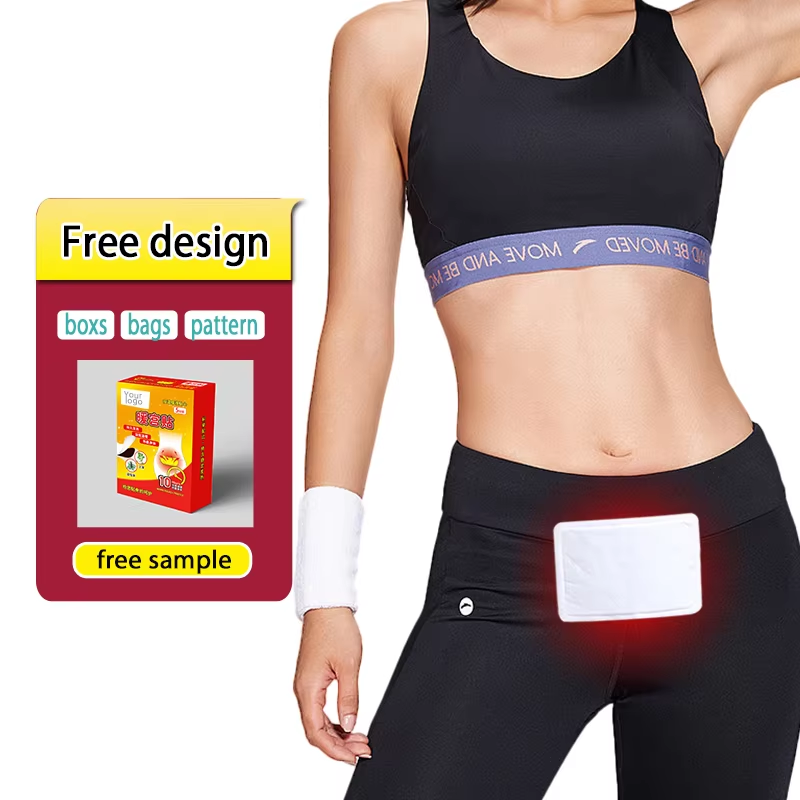
How Heat Patches Work: Activation, Heat Generation, and Duration
The Science Behind Self-Heating Materials: Understanding Heat Patch Technology
Heat patches work by creating warm temperatures through chemical reactions inside them, and they don't need batteries or anything plugged in. Inside each patch there's some iron powder mixed with activated carbon, salt, and just enough water to get things going. All these ingredients are packed into special packaging that lets air in but keeps moisture out where needed. Once the patch touches air, the iron starts to oxidize basically what we call rusting in a controlled way that gives off heat. The latest designs use something called microencapsulation tech to slow down how fast the heat comes out, making the patches last longer. A recent study from Thermal Materials in 2024 found that today's patches stay around 104 to 113 degrees Fahrenheit, which is pretty good for soothing sore muscles without causing any burns.
Chemical Activation Process: How Oxygen Triggers Sustained Heat Release
When someone takes the patch out of its wrapper, that's basically when things start happening because now air gets in contact with what's inside. What follows is the oxidation process of iron particles, which creates heat continuously until all materials react completely. How breathable the fabric is makes a big difference here too. If the material lets more air through, we get hotter patches but they won't last as long. On the flip side, if airflow is limited somehow, the patch stays warm longer even though it might not reach maximum temperature right away. Research published recently looked at how oxygen moves through these heating products and discovered something interesting about their designs. Patches made with certain specifications can maintain consistent warmth throughout an 8 to 10 hour window simply by getting the rate of oxidation just right during manufacturing.
Typical Temperature Range and Duration (Up to 10 Hours) of a Heat Patch
Most disposable heat patches reach operating temperatures between 100°F–122°F (38°C–50°C), peaking within 30 minutes of activation. Medical-grade versions are engineered to stay below 113°F (45°C) to meet safety standards. Total duration depends on several factors:
- Patch size: Larger patches generate more heat but deplete reactants faster.
- Humidity: Moisture accelerates oxidation, slightly increasing initial warmth but reducing overall lifespan.
- Insulation: Close contact with skin or clothing improves heat retention and efficiency.
Factors Affecting Performance: Humidity, Air Exposure, and Skin Contact
To get the most out of heat patches, they really need to stick well to skin that's both clean and completely dry. When there are spaces between the patch and the body, those little air pockets act as insulation and actually block some of the heat from getting through. Humidity in the air matters too because when it's high, the oxidation process speeds up quite a bit, which means the patch might stop working properly after just 15 to maybe even 20 percent less time than usual. People often forget about what they wear over top. Tight clothes can mess with airflow around the patch and make it take longer to start working properly. That's why putting them underneath something breathable makes all the difference in effectiveness.
Top Brands and Innovations in Heat Patch Technology
Market Leaders: Hothands and Warmers’ Dominance in Disposable Heat Patches
Hothands and Warmers are pretty much kings of the American disposable heat patch scene, holding around 60% of the market according to Ponemon's latest data from 2023. What makes their products stand out? They use that iron oxidation stuff we all learned about in school, but actually work really well for giving people warmth lasting anywhere between 8 to 12 hours straight. That's why so many folks working outside or hitting the slopes grab these little packets when temps drop below freezing. Looking at numbers from the 2024 Warm Patch Market Report, there's something interesting happening here too. These companies have figured out how to scale production while maintaining quality, which explains why experts predict this market will balloon to nearly $3.8 billion by 2033. Pretty impressive growth for something that fits in your pocket!
Pharmaceutical-Grade Options: Vicks and Medically Trusted Warmers
Companies such as Vicks make heat patches that have gone through FDA review and work well when added to regular pain relief plans. The patches themselves are considered medical grade and run cooler than most others, typically between about 104 degrees Fahrenheit to around 113 degrees. They also come with special stickiness stuff that doesn't irritate skin so much. Tests done in clinics found these kinds of patches cause problems for people about 40 percent less often than normal ones do. That makes them pretty good options for folks dealing with things like arthritis, nerve issues, or just generally sensitive skin.
Eco-Friendly Trends: Reusable and Sustainable Heat Patch Alternatives
People are starting to take notice of reusable heat patches because of growing worries about the environment. The newer versions come packed with either phase change materials or those rechargeable USB components. Most silicone based ones will run hot for around six hours at a time and should work fine for about fifty cycles before needing replacement. Some early numbers show folks using these instead of single use packs cut down on plastic trash by roughly twelve ounces every year. Eco minded shoppers love these green alternatives since they save money in the long run while still delivering good old fashioned warmth when needed.
Best Uses of Heat Patches in Winter: Outdoor Activities and Everyday Comfort
Staying warm outdoors: Heat patches for skiing, hiking, and winter camping
People who love spending time outside in the cold often turn to heat patches when they need warm hands or feet without all the hassle of regular heaters. These little packs work great tucked inside gloves, stuck between layers in boots, or even placed right at the small of the back. Most will stay warm around 104 to 113 degrees Fahrenheit for about 10 hours straight according to some recent testing done last year. The real beauty is how small and light they are, which explains why so many winter sports enthusiasts grab a few before heading out. Skiers know this stuff keeps their fingers from freezing while handling poles, hikers appreciate not having to carry bulky space heaters through the mountains, and campers find them invaluable when temps drop below zero at night and nothing else seems practical.
Urban use cases: Commuting, indoor heating gaps, and daily personal warmth
People living in cities often turn to heat patches when dealing with chilly commutes and unpredictable building temperatures. These little devices stick pretty much anywhere - chest area, soles of shoes, maybe even the small of the back - and keep things warm all day long while riding public transport or sitting at office desks. According to some research published last year about how city folks stay comfortable temperature-wise, around two thirds of those who tried them reported better concentration levels and generally feeling better after making heat patches part of their routine. If someone plans to wear these for extended periods though, it's probably wise to go for ones that regulate temperature automatically instead of letting them get too hot, which can actually cause irritation over time.
Specialized applications: Search-and-rescue teams in arctic conditions
First responders who have to work in freezing conditions are turning to heat patches more often these days to keep their body temps up during long operations out in the field. According to some research from last year, when rescue crews were stuck working at temperatures under minus 30 degrees Celsius, they could stay effective for almost 35 percent longer if they applied those heating patches right on their torsos while wearing their regular insulated clothing. The localized heating makes all the difference for keeping fingers nimble enough to handle equipment and maintaining mental clarity when every second counts in emergency situations where lives hang in the balance.
Integration into apparel: The trend of embedding heat patches in winter gear
Outdoor gear companies have started putting heat generating layers right inside jackets, gloves, even base layers these days. The whole point is to get rid of those annoying separate heating patches people used to stick on their clothes. Thermal performance gets better too when everything's integrated from the start. Most folks just press certain spots on the garment or hit a button somewhere to turn on the heat. This gives them warm zones exactly where they need it most during cold weather adventures collar areas, wrist openings etc. According to some market research coming out of 2025, we might see around 40 percent of top end winter clothing having this kind of built in heating tech within just one year.
Medical Benefits and Pain Relief Applications of Heat Patches
Managing Muscle and Joint Pain with Consistent Low-Level Heat Therapy
According to research published in a 2023 rheumatology journal, applying heat patches can boost blood flow to sore spots by around 40%. This helps ease muscle stiffness and reduces inflammation in those painful arthritic joints we all dread. When blood flows better through the area, it actually blocks some of those pain signals traveling up to the brain while also giving tissues what they need to heal properly. Heat therapy stands out as one of those rare treatments that doesn't require drugs or surgery. People suffering from osteoarthritis find long lasting comfort this way, since most modern patches stay warm comfortably for somewhere between six and ten hours depending on the brand.
Effective Relief for Back Pain and Menstrual Cramps: Evidence and Feedback
According to some clinical research, around 72 percent of people suffering from chronic back pain actually see noticeable improvements when they use heat patches along with light stretching exercises. When it comes to dealing with menstrual cramps, there was this study published in 2022 by OB-GYN professionals that found heat treatment helped cut down on those really painful cramps caused by prostaglandins by about 58% compared to just resting without any treatment at all. Many folks who try these heat patches often mention feeling something similar to having a small portable heating pad stuck right where it hurts most. This makes managing discomfort much easier throughout everyday life since nobody wants to be seen fiddling with bulky equipment in public places.
Supporting Circulation in Elderly Users and Those with Circulatory Issues
Controlled heat application improves microvascular blood flow by 25–30% in individuals with mild peripheral artery disease (Journal of Vascular Health, 2022). This makes heat patches beneficial for seniors with cold-induced joint stiffness, office workers with sedentary circulation challenges, and those with Raynaud’s syndrome who struggle during temperature shifts.
Caution: Risk of Over-Reliance Masking Underlying Health Conditions
While effective for symptom relief, prolonged or unmonitored use of heat patches may delay diagnosis of serious conditions such as nerve compression, autoimmune disorders, or cardiovascular issues. The FDA advises limiting continuous use to 12 hours and avoiding application on numb or insensitive skin to prevent injury.
Buyer’s Guide: Choosing the Best Heat Patch for Your Needs
Matching Size, Duration, and Output to Your Intended Use Case
When picking out a heat patch, consider factors like how much area needs warming, how long it should last, and what intensity works best. Winter athletes generally benefit from bigger patches around 8 by 12 centimeters that stay warm for about 8 to 10 hours. City dwellers rushing between meetings might go for something compact and discreet that lasts around six hours instead. People dealing with specific joint pain often find contoured patches work wonders for focused relief. Checking the actual temperature output makes sense too most quality patches run between roughly 104 degrees Fahrenheit up to 113 degrees F (which translates to 40C to 45C Celsius). This helps avoid discomfort during activities where mobility matters.
Safety First: Avoiding Burns With Regulated Temperature and Adhesion Quality
To minimize burn risks, especially during extended wear, opt for patches with maximum surface temperatures around 104°F (40°C) for direct skin contact. Leading products now include:
- Thermochromic indicators that visually signal overheating
- Medical-grade adhesives for secure, irritation-free attachment
- Breathable outer layers to prevent moisture accumulation
These features enhance both safety and comfort, particularly for sensitive or elderly users.
Cost-Effectiveness: Reusable vs. Disposable Models Over a Winter Season
The disposable ones usually run around $1.50 to $3 each time they're used, whereas the reusable electric or chemical versions need about $25 to $60 initially but end up costing less than half a dollar per use after a while. People who care about the environment love the fact that these reusables cut down on waste quite a bit actually, maybe as much as 80 percent when compared to throwing away the single use ones every time. If someone only needs it once or twice a week, there are also these hybrid systems available where the core gets replaced occasionally and the cover can be washed instead. These setups seem pretty good for folks wanting something that works well without breaking the bank or creating too much trash in the long run.
Frequently Asked Questions (FAQ)
How do heat patches work?
Heat patches work by oxidizing iron to produce heat through a chemical reaction. The reaction begins when the patch is exposed to air.
What factors affect the duration and heat generation of a patch?
Factors such as patch size, humidity, insulation, and airflow impact the duration and heat production of the patch.
What are common brands of heat patches?
Popular brands include Hothands, Warmers, and Vicks, which offer patches for various needs.
Are there eco-friendly alternatives to disposable heat patches?
Yes, reusable heat patches using phase change materials or USB components are more sustainable options.
Can heat patches help manage pain?
Yes, heat patches can aid in managing muscle and joint pain, menstrual cramps, and circulation issues.
Table of Contents
- How Heat Patches Work: Activation, Heat Generation, and Duration
- Top Brands and Innovations in Heat Patch Technology
- Best Uses of Heat Patches in Winter: Outdoor Activities and Everyday Comfort
- Medical Benefits and Pain Relief Applications of Heat Patches
- Buyer’s Guide: Choosing the Best Heat Patch for Your Needs
- Frequently Asked Questions (FAQ)