
 EN
EN
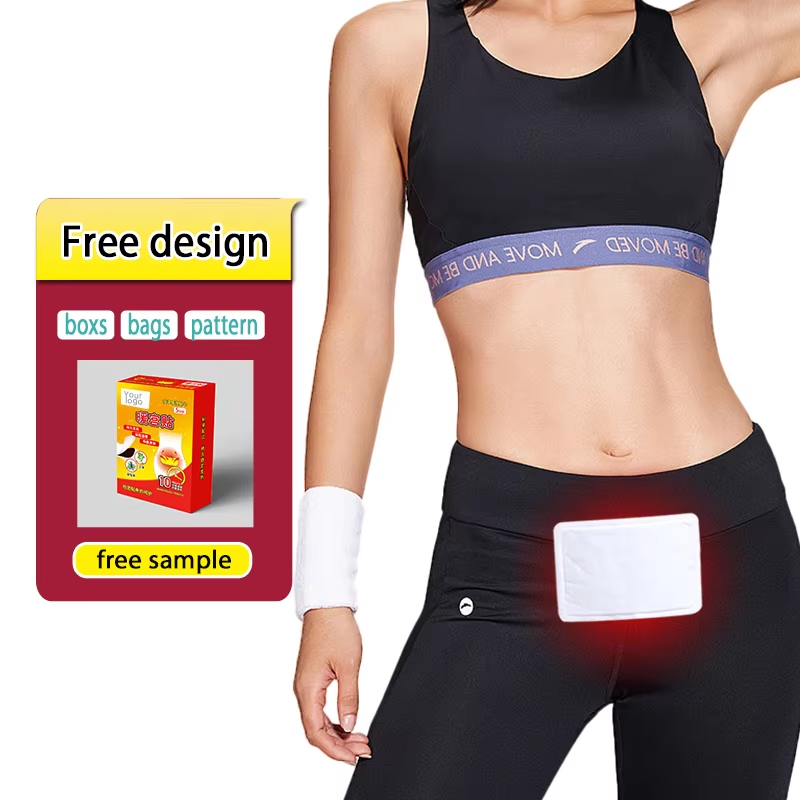
How Pain Relief Patches Work: The Science of Transdermal Pain Management
Understanding Transdermal Delivery and Targeted Pain Relief Mechanism
Pain relief patches work by delivering medicine through the skin rather than going through the digestive tract. They send the medication past the outermost layer of skin called stratum corneum right into the tissues beneath it. This method helps avoid those unpleasant stomach issues that often come with swallowing pills, like when someone gets irritated stomach lining from taking painkillers. Plus, these patches keep the medicine circulating steadily in blood vessels instead of spikes and drops. Market research from 2023 put the worth of all transdermal patches around six point two billion dollars worldwide. Seems people are getting more interested in this kind of treatment for managing pain where it actually hurts.
How Transdermal Patches Deliver Medication Compared to Oral Pills
When compared to pills that go through the liver's first pass metabolism and lose some strength along the way, skin patches offer steady medication release for about 12 hours or longer. Pills tend to cause ups and downs in blood levels, meaning people need to take them multiple times throughout the day. Patches work differently they keep medicine at consistent therapeutic levels after just one application, which helps patients stick with treatment plans for ongoing pain management. Studies indicate that getting drugs through the skin might actually work better than swallowing them, somewhere around 20 to maybe even 30 percent improvement because the body doesn't break them down as much during digestion or processing in the liver.
The Science Behind Localized Absorption and Sustained Release
Transdermal patches work by sending medication straight to where it's needed through something called passive diffusion. What happens is the sticky part of the patch keeps the medicine right against the skin, letting it slowly soak in through pores and around hair follicles. With sustained release tech, about 70 to maybe even 80 percent of what's in the patch actually gets to those sore muscles or achy joints instead of going all over the body. Because the medicine stays local, people who use these patches tend to experience fewer problems with their livers and other system-wide issues. Some studies suggest this method cuts down on bad side effects by roughly half compared to taking painkillers orally.
Types of Pain Relief Patches: OTC vs Prescription Options
Common Active Ingredients in Pain Relief Patches: Capsaicin, Lidocaine, Diclofenac, and Fentanyl
There are all sorts of active ingredients in pain relief patches designed for different kinds of aches and pains. Take capsaicin for instance, which comes from hot peppers. It basically wears down substance P, this important chemical that sends pain signals through the body. That's why people find it helpful for things like mild arthritis or sore muscles after working out. Then there's lidocaine, which works like a local anesthetic by making those nerve endings go numb, great for when someone has been injured recently and needs some relief. Diclofenac is another one worth mentioning here since it belongs to the NSAID family and helps cut down inflammation in joints affected by arthritis. And let's not forget about prescription strength options like fentanyl patches that deliver powerful pain relief for really serious conditions or cancer related pain. The bottom line is these patches come with varying strengths and work in completely different ways so folks can pick what suits their particular situation best depending on how bad the pain is and what exactly they're dealing with.
Over-the-Counter vs. Prescription Pain Patches: What’s the Difference?
Over-the-counter patches work best for quick, localized relief since they contain lower amounts of active ingredients such as 4% lidocaine or 0.1% capsaicin. These are good for regular stuff like stiff muscles or sore joints from daily activities. On the other hand, prescription strength patches come with much higher concentrations, think 5% lidocaine for nerve pain problems or even fentanyl for those dealing with serious cancer related discomfort. Doctors need to monitor these because there are real risks involved, from getting used to them over time to breathing difficulties and possible skin irritation. Basically what separates them is their purpose in treatment plans. OTC products handle brief episodes of discomfort, whereas prescriptions address ongoing or intense pain situations where a healthcare provider needs to keep watch.
Best OTC Pain Relief Patches for Everyday Muscle and Joint Discomfort
Lidocaine patches are great for regular aches since they numb pretty fast and last around 12 hours, which makes them perfect after working out when muscles get sore. Capsaicin ones create this warm feeling that helps with stiff joints, but watch out because some people get red spots at first. There are also patches with menthol and methyl salicylate that give either a cool or hot sensation, basically distracting the brain from whatever hurts underneath. If someone wants to pick an over the counter patch, it's important to find one that matches their particular problem. Also remember not to put these on broken skin and don't leave them on longer than 12 hours each day if possible. Safety comes first obviously.
Effectiveness of Pain Relief Patches for Acute and Chronic Pain Conditions
Clinical Evidence Supporting Pain Relief Patch Efficacy
Clinical trials show transdermal pain relief patches achieve 40% greater pain reduction than placebo for musculoskeletal conditions (Beometry 2024). By delivering NSAIDs or counterirritants directly to inflamed tissues through sustained release, these patches maintain consistent therapeutic levels for 8–12 hours with minimal systemic absorption.
Using Pain Relief Patches for Muscle Aches, Back Pain, and Post-Exercise Soreness
The targeted delivery makes patches especially effective for:
- Post-workout muscle strains
- Chronic lower back pain
- Arthritis-related joint stiffness
Patients report 50% faster pain reduction when treating acute muscle spasms compared to oral analgesics, as the medication bypasses digestion and acts locally without delay.
Pain Relief Patches for Chronic vs. Acute Pain: What Research Shows
Research shows about 72% effectiveness at reducing osteoarthritis pain after 12 weeks of treatment. These patches work better because they release medication steadily into the body and cause fewer stomach issues compared to pills. Oral NSAIDs can lead to ulcers up to eight times more frequently. But when someone suffers from sudden injuries that need quick relief, these patches don't always cut it. Patients typically require stronger doses right away in those situations. The stronger versions of this medication still need a doctor's prescription, which makes sense since they're meant for ongoing management rather than immediate crisis situations.
Advantages of Pain Relief Patches Over Oral Pain Medications
Reduced Gastrointestinal Risks With Transdermal Analgesic Delivery
Pain relief patches work differently because they skip the digestive system altogether, which cuts down on stomach problems by about 60% when compared to taking pills like ibuprofen. When someone swallows these medicines, their stomach lining gets irritated and there's a higher chance of developing ulcers. But with patches, most of the medication goes straight to where it's needed instead of going through the whole body first. According to research published last year in a medical journal called Therapeutics and Clinical Risk Management, people who need long term pain management experience much fewer stomach issues. The study showed that around 24 out of every 100 patients had some kind of stomach trouble with regular pill use, while only about 9 faced similar problems when using patches.
Methyl Salicylate and Menthol as Counterirritants in Topical Pain Relief Patches
The combination of methyl salicylate at 15% concentration and menthol at 10% found in over the counter patches works by acting as counterirritants. They basically trick the body's sensory nerves so they don't send those pain signals anymore. A study published back in 2021 showed these patches can actually reduce joint stiffness around 37 percent quicker compared to taking pills for pain relief. What makes them even better is how they boost blood circulation right where it matters most without getting absorbed throughout the whole body. This means less work for the liver and fewer chances of messing with other drugs someone might be taking at the same time.
Why Localized Treatment Minimizes Systemic Side Effects
| Factor | Pain Relief Patches | Oral Medications |
|---|---|---|
| Systemic Exposure | 8–12% | 89–94% |
| Liver Metabolism | Minimal | High |
| Drug Interactions | Low | Moderate to High |
Localized delivery limits systemic exposure by 78%, per data from the Journal of Pain Management, preventing drug accumulation in non-target organs. This is particularly beneficial for individuals with cardiovascular or renal concerns. Clinical trials indicate 83% of users experience fewer episodes of dizziness or fatigue compared to those taking oral painkillers.
Safe and Effective Use: Application Tips and Side Effect Awareness
Application Guidelines for Maximum Effectiveness and Safety
Put the patch on clean, dry skin that doesn't have any cuts or irritated spots. Press it down hard for about 10 to 15 seconds so it sticks properly. Try to steer clear of hairy parts of the body or places where clothes might rub against it. Most patches work best when worn between 8 and 12 hours total. Always check what the package says before going longer than recommended time frame. Don't ever put anything hot like a heating pad directly over the patch area. Heat makes the medicine come out faster than intended which could lead to getting too much medication at once.
Safety and Side Effects of Long-Term or Daily Pain Relief Patch Use
Transdermal delivery cuts down on stomach problems for sure, but around 12% of people might get some minor skin irritation according to that 2023 study from the Journal of Dermatological Treatment. When someone wears these patches day after day, particularly those containing NSAIDs such as diclofenac, there's actually more medicine getting into their bloodstream than intended. This could spell trouble for heart health over time. A good trick to avoid sensitive skin reactions? Just switch where you apply the patch every day or so. And when it comes to stronger meds like fentanyl patches, doctors need to keep an eye out for any breathing difficulties. That's why medical oversight matters so much with powerful medications delivered through the skin.
Efficacy and Safety of Over-the-Counter Pain Patches: What Users Should Know
Over-the-counter patches containing lidocaine or menthol work well for most people when used intermittently on minor muscle strains for about three to four days. But watch out for misuse problems. Putting on several patches at once explains why nearly half (around 42%) of all complaints made to the FDA last year came from folks who didn't follow instructions properly. Before using any patch, make sure it hasn't expired. If skin irritation like redness, burning sensations, or itching lasts longer than an hour after application, stop using them immediately. And remember, if muscle pain doesn't go away within a week, it might be time to see a doctor. Sometimes what seems like just sore muscles could actually point to something else going on inside the body that needs proper diagnosis.
Frequently Asked Questions
What are pain relief patches?
Pain relief patches are transdermal patches designed to deliver medication through the skin to relieve pain in specific areas of the body.
How do pain relief patches differ from oral medications?
Pain relief patches deliver medication directly to the affected area through the skin, avoiding the digestive system, which can reduce gastrointestinal side effects and provide more consistent therapeutic levels.
What types of ingredients are found in pain relief patches?
Common active ingredients in pain relief patches include lidocaine, capsaicin, diclofenac, and fentanyl, each serving different pain relief purposes.
Are there any safety concerns with using pain relief patches?
While generally safe, pain relief patches may cause skin irritation. Prescription patches require medical oversight due to potential side effects and addiction risks.
What should I do if I experience irritation from a pain relief patch?
If irritation occurs, discontinue use. If the irritation persists or worsens, consult a healthcare provider.
Table of Contents
- How Pain Relief Patches Work: The Science of Transdermal Pain Management
- Types of Pain Relief Patches: OTC vs Prescription Options
- Effectiveness of Pain Relief Patches for Acute and Chronic Pain Conditions
- Advantages of Pain Relief Patches Over Oral Pain Medications
- Safe and Effective Use: Application Tips and Side Effect Awareness
- Frequently Asked Questions