
 EN
EN
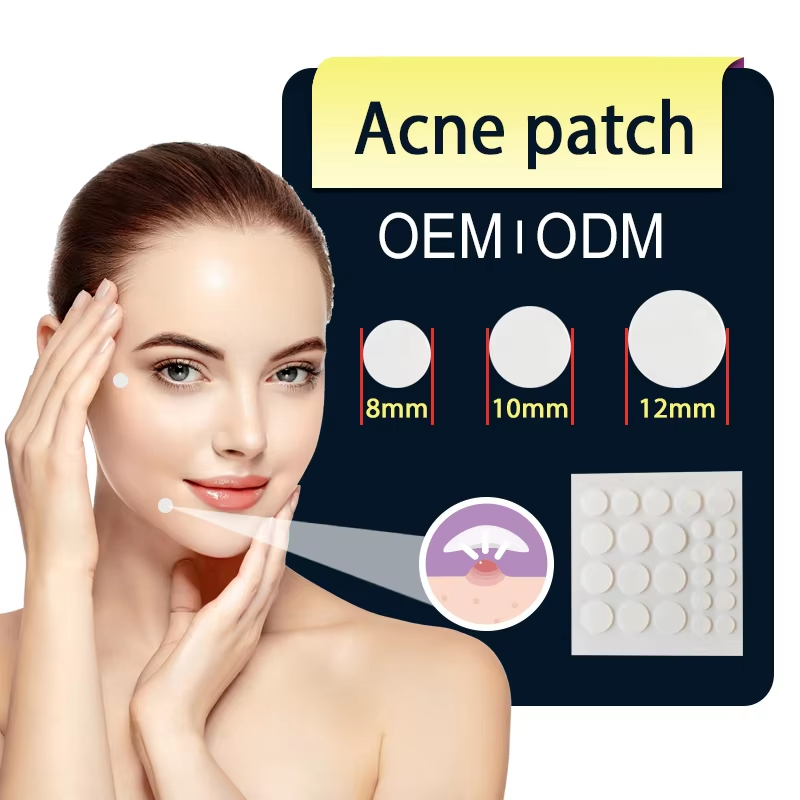
Understanding How Acne Patches Work to Target Breakouts
What Are Pimple Patches and How Do They Work?
Acne patches come as small sticky circles crafted from hydrocolloid material designed to stick right onto pimples when they're at their worst. What makes these little stickers effective is their ability to soak up extra oils and gunk coming out of the breakout while keeping germs and grime away from the affected area. The patch creates kind of a protective bubble around the pimple, which helps speed up healing and calms down redness. Most people notice their skin looking better somewhere between six to eight hours after putting one on according to research published last year by Ponemon.
Hydrocolloid Technology in Spot Patches: The Science Behind Absorption
Hydrocolloid was first created for treating wounds but works wonders on pimples too. When it touches the fluids coming out of a pimple, it creates this kind of gel layer that actually pulls stuff out from underneath the skin. Most people notice their whiteheads get smaller after sleeping with these patches on, sometimes shrinking as much as half their size overnight. Studies indicate that using hydrocolloid can cut down how long it takes for a spot to heal by about a third compared to leaving it alone. The reason? It helps our bodies do what they already know how to do best – basically, it supports the natural process where we clear away dead skin cells and other gunk that gets trapped under there.
How Acne Patches Work on Whiteheads and Pustules
Surface-level blemishes such as whiteheads and pustules respond best to hydrocolloid patches. The material absorbs trapped pus, flattening the lesion and reducing redness. For pustules, the patch acts as a protective seal that prevents premature picking or rupture, significantly lowering the risk of scarring and post-inflammatory hyperpigmentation.
Barrier Protection Against Bacteria and Dirt: Preventing Secondary Infection
Acne patches work by creating a protective layer right over pimples, stopping things like dirt from the air, leftover makeup, and fingers from getting germs into those open pores. Studies show these patches can cut down on secondary infections by around two thirds in places where skin gets exposed to lots of stuff throughout the day, plus they help wounds heal better overall. What's interesting is how just seeing the patch there actually makes people less likely to mess with their face. Dermatologists have noticed this happens quite often, since touching irritated skin tends to make redness last longer and leave behind dark spots that take ages to fade away.
Types of Acne Patches and Key Ingredients for Different Skin Concerns
Non-Medicated vs. Medicated Acne Patches: Choosing the Right One
Non-medicated patches rely solely on hydrocolloid to absorb fluid from minor blemishes like whiteheads, making them ideal for sensitive skin or daytime wear. Medicated variants include active ingredients such as salicylic acid or tea tree oil to target inflamed papules and pustules by unclogging pores and suppressing bacterial growth.
| Patch Type | Best For | Key Mechanism |
|---|---|---|
| Non-medicated | Whiteheads, minor pimples | Absorbs pus/oil passively |
| Medicated | Inflamed breakouts | Delivers antibacterial agents |
Microneedling Patches: Penetrating Deeper for Cystic Acne Treatment
Microneedling patches contain tiny, dissolving needles that push active ingredients such as hyaluronic acid and niacinamide straight into the skin's deeper layers where they actually work. They aren't going to magically eliminate cystic acne overnight mind you, but these little patch things do seem to cut down on redness and get those stubborn pimples healed up faster compared to just slapping on regular face cream. Many people find them especially helpful when using alongside doctor prescribed medications. A lot of dermatologists actually recommend combining both approaches for best results since the patches can enhance what the stronger treatments accomplish without all the harsh side effects sometimes associated with purely medicinal solutions.
Hydrocolloid Patches for Overnight Treatment: Best for Surface-Level Blemishes
Overnight hydrocolloid patches take advantage of increased sebum production during sleep – up to 25% higher due to circadian rhythms – to maximize absorption of oil and pus. Studies show these patches absorb up to 40% more exudate than untreated wounds (Dermatology Insights 2023), promoting faster recovery while minimizing contamination risks.
Active Ingredients in Acne Patches: Salicylic Acid, Tea Tree Oil, and More
- Salicylic acid: A beta-hydroxy acid that penetrates pores to exfoliate dead skin and prevent clogging.
- Tea tree oil: A natural antimicrobial with anti-inflammatory benefits, effective against C. acnes bacteria.
- Benzoyl peroxide: Kills acne-causing bacteria but may cause dryness or irritation with prolonged use.
- Azelaic acid: Helps fade post-inflammatory hyperpigmentation and calms redness.
Select patches based on your skin type and specific concerns – those with sensitive skin should start with non-medicated versions before introducing actives.
Effectiveness of Acne Patches Across Acne Types and Real-World Results
Do Acne Patches Work on Blackheads, Whiteheads, and Pustules?
The best results from acne patches come when treating whiteheads and pustules since the patch's hydrocolloid center soaks up the fluid while keeping bacteria away from the affected spot. According to research published in 2023 by the Ponemon Institute, these patches actually cut down healing time for pustules by about 40% compared to leaving them alone. Blackheads don't respond as well though. They're basically just oxidized oil mixed with dead skin cells, and without enough moisture, the hydrocolloid material in standard patches doesn't really activate properly. Most people find this out the hard way after trying patches on blackheads with little success.
Limitations of Pimple Patches for Cystic Acne: When Topical Solutions Fall Short
Cystic acne develops way down under the skin where regular hydrocolloid patches just can't get to it. According to recent studies, around 28 percent of people dealing with these painful nodules actually see any real improvement from patches on their own. Most folks end up needing something stronger like antibiotics taken orally, hormone treatments, or even steroid shots as noted in a 2023 review published by Dermatology Research. Some might find help with those special microneedling patches too, but honestly they work best when used alongside proper medical care rather than standing in for it completely.
Clinical Evidence on the Effectiveness of Pimple Patches for Acne
Research that has been reviewed by experts backs up how well acne patches work on skin blemishes that are just under the surface. Looking at a study from 2022 in the Journal of Clinical Dermatology, they found something pretty impressive. When people used patches filled with salicylic acid, their pimples got smaller by about 68% after just one day. That's way better than the 22% improvement seen when using regular patches without any active ingredients. What this tells us is that when someone picks the right kind of patch, it can really speed up the healing process. But here's the catch they only help with those pesky little breakouts that haven't gone deep into the skin yet.
Controversy Analysis: Overhyping Overnight Results for Stubborn Lesions
About 8 out of 10 people are happy with acne patches for small breakouts, but many aren't so thrilled when it comes to bigger problems. Nearly two thirds of consumers say they were duped by ads promising to get rid of stubborn pimples overnight. Some actual tests back this up too - just around 23 percent saw any real difference in those pesky bumps after wearing a patch for eight hours according to the Consumer Skin Health Report from last year. There's clearly a big difference between what companies promise and what actually happens in practice. The bottom line? These patches are great for spot treatment, but don't expect them to fix everything.
How to Use Acne Patches Effectively for Maximum Results
Best Time to Apply Pimple Patches: Night vs. Day Usage
Nighttime application is optimal, aligning with the skin’s natural repair cycle and peak sebum production. This allows hydrocolloid patches to absorb maximum fluid while minimizing disruption. Daytime use is less effective due to facial movement affecting adhesion, though transparent silicone-based patches can serve as discreet options for emergencies.
Step-by-Step Guide: Application, Duration, and Removal
- Prep: Cleanse skin with a non-comedogenic cleanser and pat dry thoroughly. Avoid alcohol-based toners or serums that compromise adhesion.
- Apply: Center the patch directly over the blemish and press gently for 10–15 seconds to secure an airtight seal.
- Duration: Wear for 6–8 hours, ideally overnight. For medicated patches containing salicylic acid, limit wear to 4 hours unless otherwise directed.
- Remove: Peel slowly from one edge. If residue remains, wipe gently with micellar water – never scrub or pick at the site.
Avoiding Common Mistakes That Reduce Patch Effectiveness
- Applying to damp skin: Moisture prevents strong adhesion.
- Reusing patches: This reintroduces bacteria and diminishes absorption capacity.
- Layering incompatible products: Retinoids or benzoyl peroxide can degrade hydrocolloid integrity.
- Removing too early: Wait until the patch turns opaque – a sign it has fully absorbed fluid – for best results.
For ongoing oil control, alternate patch days with clay masks to maintain balance without over-drying.
Integrating Acne Patches into a Complete Skincare Routine
Using Pimple Patches Alongside Cleansers, Serums, and Moisturizers
Start things off with a mild cleanser that takes away extra oil and helps the patch stick better. When putting on treatment serums, place them around the patch area but don't put anything underneath it since that might interfere with how well it works. For those lightweight moisturizers, wait about ten minutes before applying them on top of non-medicated patches so they won't slide around during the day. Now if we're talking about medicated patches with ingredients like salicylic acid or tea tree oil, it's best not to pile on other products with similar stuff because skin can get pretty irritated from all that chemical overlap. Trust me, I've seen what happens when folks ignore this simple rule!
Sequencing Acne Patches in Your Evening Skincare Regimen
Follow this effective nighttime order:
- Cleanse skin thoroughly
- Apply toner and acne-fighting serums
- Allow full absorption (5–7 minutes)
- Place patches on dry, affected areas
- Moisturize patch-free zones with a non-comedogenic formula
This sequence ensures patches work unimpeded while supporting overall skin health.
When to Replace or Combine Patches with Other Acne Treatments
Replace hydrocolloid patches every 6–8 hours or once saturated (indicated by a white, swollen appearance). For persistent cysts, combine microneedling patches with prescription retinoids – apply retinoid first, wait 20 minutes, then apply the patch. Avoid placing benzoyl peroxide directly under patches, as it can lead to excessive dryness and barrier damage.
Psychological and Physical Benefits: Preventing Picking and Reducing Scarring
Acne patches do more than just cover pimples physically. They actually help people feel better mentally because they act as a real barrier against the urge to pick at spots something doctors see happening in about half the scarring cases they study. When these patches shield the affected area from both fingers and stuff floating around in the air, it cuts down on infections and helps everything heal more evenly. What's interesting is how the dampness under the patch seems to speed up skin repair work. Some research suggests this can cut scarring by as much as 40% when compared to those annoying zits left alone without treatment.
FAQs about Acne Patches
Can I use acne patches on all types of acne?
Acne patches work best on surface-level acne like whiteheads and pustules. They are less effective on blackheads and cystic acne.
Do acne patches work overnight?
While some improvement can be seen overnight for minor blemishes, stubborn lesions are unlikely to disappear overnight with acne patches.
Can I apply acne patches during the day?
Yes, you can use transparent silicone-based patches during the day for emergencies, although nighttime is optimal for maximum effectiveness.
Are there any side effects of using acne patches?
Acne patches are generally safe, but using them incorrectly or combining them with strong skincare products can cause skin irritation.
Table of Contents
- Understanding How Acne Patches Work to Target Breakouts
- Types of Acne Patches and Key Ingredients for Different Skin Concerns
- Effectiveness of Acne Patches Across Acne Types and Real-World Results
- How to Use Acne Patches Effectively for Maximum Results
- Integrating Acne Patches into a Complete Skincare Routine
- FAQs about Acne Patches