
 EN
EN
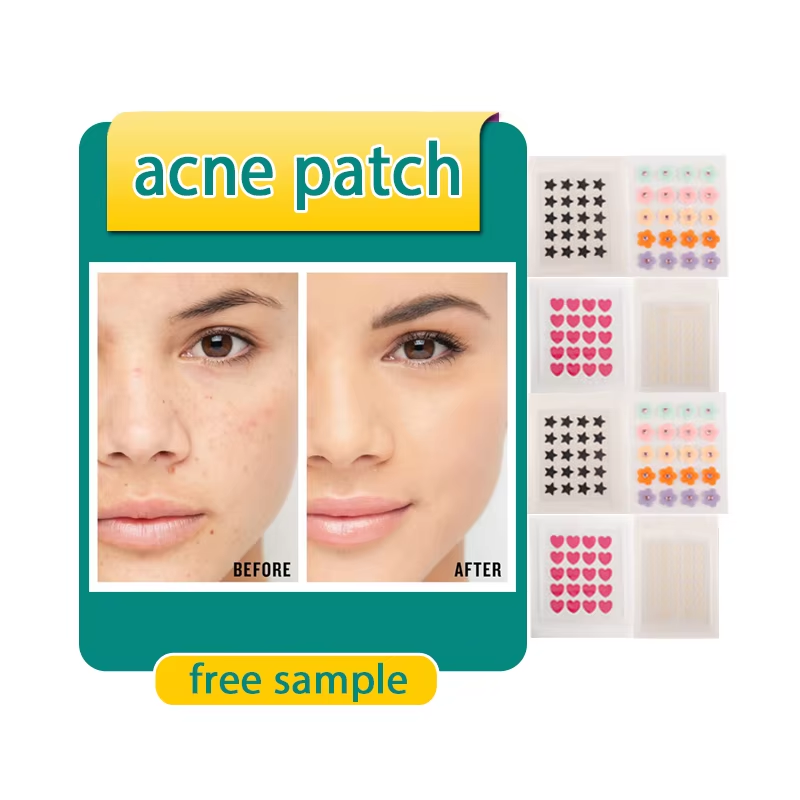
How Acne Patches Work: The Science Behind Fast Healing
The rise of acne patches in modern skincare routines
Acne patches are now pretty much everywhere in today's skincare world, giving people a neat way to tackle pimples without all the gooey mess from old school spot treatments. Why? Because folks just love these little stickers that actually work, especially when applied before bedtime. The whole trend makes sense really, since most people want something simple that gets the job done while they sleep. Those tiny adhesive patches work wonders for anyone who needs quick fixes but doesn't have time for complicated routines during their busy days.
Hydrocolloid technology: Creating an optimal healing environment
Most good quality acne patches are made with something called hydrocolloid, originally created for bandages used in hospitals. When someone puts one on a pimple, it creates this kind of protective barrier that keeps the skin moist and helps it heal naturally. The patch starts absorbing all that extra oil, along with pus and whatever else might be causing trouble, and turns into sort of a jelly-like stuff underneath. At the same time, there's this outer layer that stops water from getting through, so bacteria and other nasties stay away from the affected area. Studies have found that keeping pimples in this controlled, humid environment actually speeds up recovery time. Some research suggests healing happens about 40 percent faster than when a pimple is left open and dry.
Clinical evidence: Exudate absorption and accelerated wound healing
Hydrocolloid patches help wounds heal better because they manage fluids and protect against outside contaminants. These patches actually soak up about five times their own weight in wound fluid, which helps bring down swelling and keeps tissues from getting damaged. When the patch creates a moist environment around the wound, it encourages blood vessel growth and collagen development these are really important for repairing skin while also cutting down on scabbing that often leads to ugly scars. Studies have shown that wounds covered with hydrocolloid patches tend to close faster than those left open to air, sometimes taking anywhere between 30 to 50 percent less time to fully heal according to what medical professionals have observed.
Overnight effectiveness: Why acne patches work while you sleep
Using the patch while sleeping seems to give it the best chance to work because our skin naturally repairs itself more actively at night. Wearing it for around six to eight hours lets the ingredients get absorbed properly without being disturbed, and keeps things protected when we're not thinking about it. Plus, nobody wants to pick at their face subconsciously while they sleep, since that just makes everything worse and could lead to infections. From what doctors have seen in practice, spots that are covered overnight tend to look much better come morning time. They're generally smaller and less red than those left alone all night long.
Types of Acne Patches: Match by Pimple Type and Skin Needs
Selecting the right acne patch depends on your blemish type and skin characteristics. With various formulations available, understanding their differences ensures precise, effective treatment.
Non-medicated vs. medicated acne patches: Key differences
Non-medicated patches rely solely on hydrocolloid to absorb fluid and protect the blemish, making them ideal for surface-level whiteheads or minor pimples. Medicated versions include active ingredients like salicylic acid or tea tree oil, offering additional antibacterial and anti-inflammatory benefits for more persistent or inflamed breakouts.
Hydrocolloid vs. salicylic acid vs. microneedle patches: What works best?
- Hydrocolloid patches are best for drawing out fluid and shielding early-stage pimples or recently popped blemishes.
- Salicylic acid patches combine fluid absorption with deep pore exfoliation, effectively targeting clogged pores and acne-causing bacteria.
- Microneedle patches use dissolvable microstructures to deliver ingredients beneath the skin’s surface, making them suitable for stubborn, under-the-skin acne that traditional patches can't reach.
Choosing the right patch for oily, dry, and sensitive skin
Oily skin benefits from salicylic acid or tea tree oil patches that help regulate sebum. Dry skin responds better to non-medicated hydrocolloid patches that hydrate without over-drying. Sensitive skin types should choose fragrance-free, minimal-ingredient options to avoid irritation or allergic reactions.
Effectiveness by Acne Type: What Patches Can and Can’t Treat
Best results: Pustules, papules, and open blemishes
Acne patches work best for those little bumps we all get sometimes - think pustules, papules, or even open sores. Made from this special hydrocolloid stuff, they soak up all that goo coming out of the skin. Research suggests these patches can actually absorb around half their own weight in fluid! At the same time, they form a sort of shield over the spot which stops people from touching or squeezing it. What does this mean? Faster healing times generally, and much less chance of ending up with permanent marks, particularly if someone has already tried popping the pimple themselves.
Inflammatory acne: Reducing redness and swelling with patches
When dealing with those red, inflamed spots on the skin, medicated patches containing natural anti-inflammatory substances such as tea tree oil or centella asiatica really seem to help. Some studies suggest they might cut down redness by around 40% in about six to eight hours, though results can vary depending on individual skin types. These patches work because they soak up excess fluid while delivering their active ingredients directly where needed. They tackle not just the surface level puffiness but also what's going on deeper under the skin. Many people find them particularly useful for those annoying bumps that are starting to form but aren't quite matured yet. The patches sit there quietly doing their job without needing constant attention throughout the day.
Limitations: Why cystic and deep nodular acne respond poorly
Cystic and nodular acne form way down below the skin where regular patches just can't get to them. Studies indicate around fifteen percent of what's in those patch products actually makes it past the outer layers of skin, so they really don't do much against what's causing these bad breakouts underneath. Patches simply aren't going to tackle things like hormone imbalances or body wide inflammation problems. That means most people dealing with cystic acne will need something more than just over the counter fixes. Often times, seeing a real dermatologist becomes necessary for proper treatment.
Controversy: Overstated claims in acne patch marketing
More people are worried about what companies claim about acne patches being able to fix every kind of acne out there, even those stubborn deep ones or the hormonal stuff that just won't go away. Acne patches work great on top layer pimples and help them heal faster, but according to skin doctors from the American Academy of Dermatology, these little stickers aren't going to replace real treatments when someone has serious acne problems. Anyone dealing with bad breakouts that keep coming back or those painful cysts under the skin needs to be careful about believing too much of what ads say. The best bet? Talk to a real dermatologist who can actually figure out what's going on with their skin instead of relying solely on patch products.
Key Ingredients in Acne Patches and Their Healing Benefits
Salicylic acid: Exfoliation and pore clearing in medicated patches
Salicylic acid, which belongs to the BHA family, has become really popular in those medicated patches because it actually gets into the pores and breaks down all that extra oil plus dead skin stuff that clogs things up. What makes this stuff work so well is how it tackles problems from two angles at once clearing out what's already there while also stopping new pimples from forming since the pores stay open. Studies have found something pretty impressive too these patches with salicylic acid can cut down on acne spots by around half, especially when dealing with those stubborn blackheads and whiteheads that just won't go away.
Benzoyl peroxide and tea tree oil: Fighting acne-causing bacteria
Salicylic acid works mainly as an exfoliant, while products containing benzoyl peroxide and tea tree oil go after the actual bacteria that cause breakouts. When applied, benzoyl peroxide actually puts oxygen into the pores, which basically suffocates those pesky C. acnes bacteria living there. For people who prefer something more natural, tea tree oil is a great option too. It has strong germ fighting powers and can calm down inflamed skin at the same time. Many folks find that applying tea tree oil helps cut down on pimples and makes angry red spots look less severe, particularly when dealing with that painful inflammatory acne we all know too well.
How active ingredients enhance hydrocolloid patch performance
When hydrocolloid is mixed with active ingredients, something special happens. The patch works like a sponge, soaking up excess fluid from the skin while keeping the area protected. At the same time, those active compounds get to work on what's causing the acne underneath. What makes this really effective is the damp environment created by the patch itself. This moisture actually helps the ingredients sink deeper into the skin where they can do their job better than just sitting on top. Compared to regular spot treatments that only tackle surface issues, these patches offer two benefits at once. They speed up recovery time and leave behind fewer marks, all wrapped up in one convenient application method that skincare enthusiasts have been raving about lately.
How to Use Acne Patches for Maximum Results
Step-by-step: Clean skin, proper application, and adhesion tips
Begin by washing your face thoroughly with something gentle that won't irritate the skin, getting rid of all that oil, grime, and leftover makeup. Once cleaned, gently pat the area dry instead of rubbing it harshly because rubbing can actually mess with the skin's surface and make things worse. Place the patch right onto the spot where the blemish is showing through dry skin, then give it a soft press for maybe around ten to fifteen seconds so it sticks properly. Doing this creates a good barrier against germs getting in while also helping whatever active ingredients in the patch get absorbed better into the skin over time.
How long to wear a pimple patch: Duration and frequency guidelines
For best results, wear patches for 6–8 hours, making overnight wear ideal. Daytime use should last at least 4–6 hours to allow sufficient absorption. Patches can be used daily during breakouts, but follow product instructions to avoid overuse, especially on sensitive or compromised skin.
Using patches on popped pimples: Risks, benefits, and best practices
Applying a patch to a popped pimple helps protect the open wound and absorb residual fluid, potentially speeding healing. However, it may cause irritation if the skin is raw or inflamed. Always clean and dry the area first, and opt for a high-absorption patch designed for post-rupture care.
Building a consistent acne patch routine for long-term clarity
Incorporate patches into your routine by applying them after cleansing and before other products. Use them at the first sign of a blemish to prevent worsening. For prevention, consider using patches 2–3 times weekly on acne-prone areas, adjusting frequency based on your skin’s needs and response.
FAQ Section
What makes hydrocolloid technology effective in acne patches?
Hydrocolloid creates a moist protective barrier that absorbs fluids like oil and pus, speeding up healing time by maintaining a controlled environment that encourages natural skin repair.
Are acne patches suitable for all types of acne?
While effective for surface-level acne like pustules and papules, patches are less effective for deep cystic and nodular acne, which require more intensive treatments from a dermatologist.
How does salicylic acid enhance the performance of acne patches?
Salicylic acid in medicated patches clears pores of dead skin and excess oil, reducing acne formation and facilitating faster healing when combined with hydrocolloid's fluid absorption properties.
Can using acne patches overnight improve results?
Yes, using patches overnight allows them to remain undisturbed for optimum fluid absorption and active ingredient delivery during the skin's natural repair cycle, leading to improved clarity by morning.
What's the difference between non-medicated and medicated acne patches?
Non-medicated patches solely use hydrocolloid for fluid absorption, ideal for minor acne, while medicated patches include active ingredients like salicylic acid or tea tree oil for added antibacterial benefits.